Why do dental patients miss appointments? Most of the time it isn't bad intentions. Patients forget, don't make the visit a priority or simply don't plan for it, because nothing kept the commitment alive between booking and the appointment. The fix is in the clinic's process: reinforce the commitment at booking, ask for an active confirmation and respond quickly.
Many people see no-shows as inevitable, just "part of the job." They aren't.
Every lost slot means idle time, revenue that doesn't come in and, often, a sense of disorganization that spreads to the whole team.
So consider this: what if the problem isn't the patient, but the process?
What no-shows really do to a clinic
Before talking about solutions, it's worth facing reality. A schedule with frequent gaps doesn't only hurt the finances. It affects the whole operation:
- the provider is left with idle time
- the front desk loses time rearranging the schedule
- the day's flow becomes irregular
- the team works with a sense of instability
And the most critical part: it becomes routine. When a clinic gets used to no-shows, it starts working on the assumption that they'll happen, and that limits growth.
Patients miss appointments more often than you think, and here's why
Here's an important point: most no-shows don't happen out of bad will. They happen because the patient isn't connected to the commitment.
The patient forgets.
Or doesn't make it a priority.
Or simply didn't plan for it.
That has a lot to do with how the clinic handles scheduling. If the visit ends and the patient leaves with no reinforcement, no connection and no follow-up, that booked slot loses strength with each passing day.
The most common scheduling mistake
The most common mistake is believing that reminding the patient once solves the problem. It doesn't.
There's a big difference, and it makes a big difference in no-shows, between:
- notifying the patient
- and guiding them through the commitment
A reminder alone helps, but it doesn't create commitment. Active confirmation, where the patient has to reply, changes the picture completely. The patient stops being passive and becomes part of the decision, and in practice that greatly improves attendance.
When the clinic sends a reminder at the time of booking and a confirmation close to the appointment, no-shows drop significantly, because the patient first plans around the visit and then reaffirms the commitment.
Simple changes that keep patients coming
Now for the practical part. You don't need major structural changes to reduce no-shows. What makes the difference is consistent adjustments to the routine.
First, reinforce the commitment at the moment of booking. It's not enough to set a time; check with the patient that the slot really works for them.
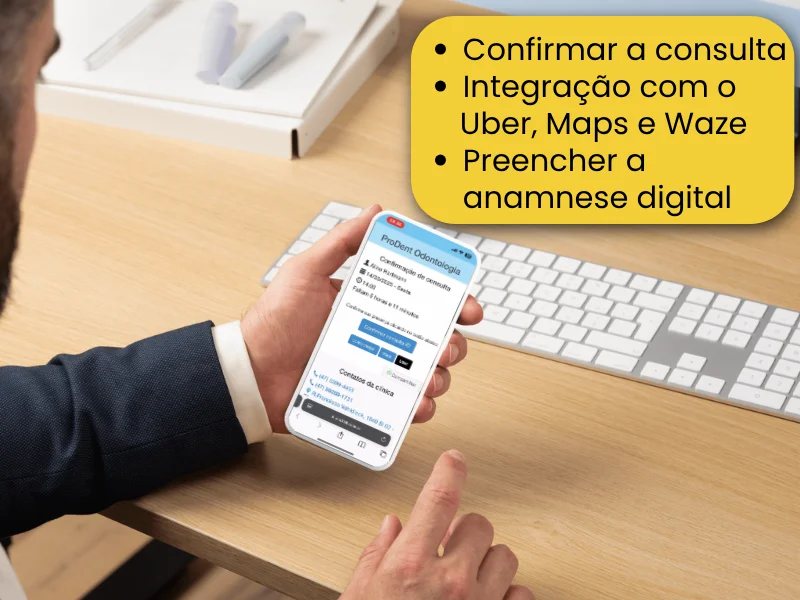
Next, keep the communication going. A reminder right after booking helps the patient plan. A confirmation close to the appointment creates accountability.
Another important point is how fast the clinic responds. If a patient needs to reschedule and can't reach anyone quickly, they tend to simply not show up. Fast communication is part of the strategy.
Finally, follow up. When the clinic reaches out after a no-show, it shows attention, and that increases the chance the patient will come back.
What well-organized clinics do differently
Clinics that keep a full schedule don't rely on luck. They have a process. There's a clear communication standard, and the team knows exactly what to do in each situation. For example:
- When the patient books: they get clear instructions.
- When the appointment is near: they get a confirmation request.
- When they miss it: there's a follow-up flow.
Nothing is left hanging. That predictability brings two important benefits:
- patients see professionalism
- the team gains confidence in how they work
And that has a direct effect on results.
Where technology fits in
Here's where technology comes in, as support rather than the center of the discussion.
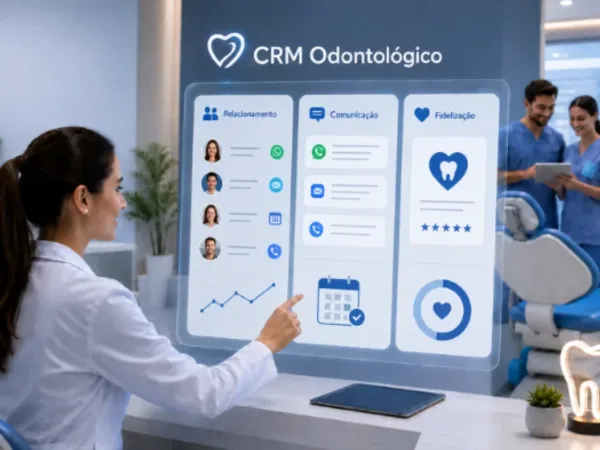
Keeping this level of organization by hand is hard. That's why dental software or a clinic management system works as backup for the process. With it, you can:
- automate reminders and confirmations
- standardize patient communication
- track no-shows and rescheduled appointments
- organize the schedule in real time
When the clinic uses automated messages for reminders, confirmations and follow-ups, it cuts manual effort and keeps communication consistent, which noticeably improves how full the schedule is.
But the key point is this: the system doesn't solve the problem on its own. It amplifies a process that needs to exist.
Fewer no-shows start with guiding the commitment
Reducing no-shows isn't about reminding the patient. It's about guiding the commitment from start to finish.
Clinics that understand this stop reacting to the problem and start controlling it. With small adjustments to communication, more consistent processes and support from technology, the schedule stops being a weak point and becomes one of the clinic's biggest assets.
Pro365 GO, the new ProDent that runs 100% on the web, keeps reminders, confirmations and follow-ups on the same schedule. Book a demo to see how it supports your team's routine.