
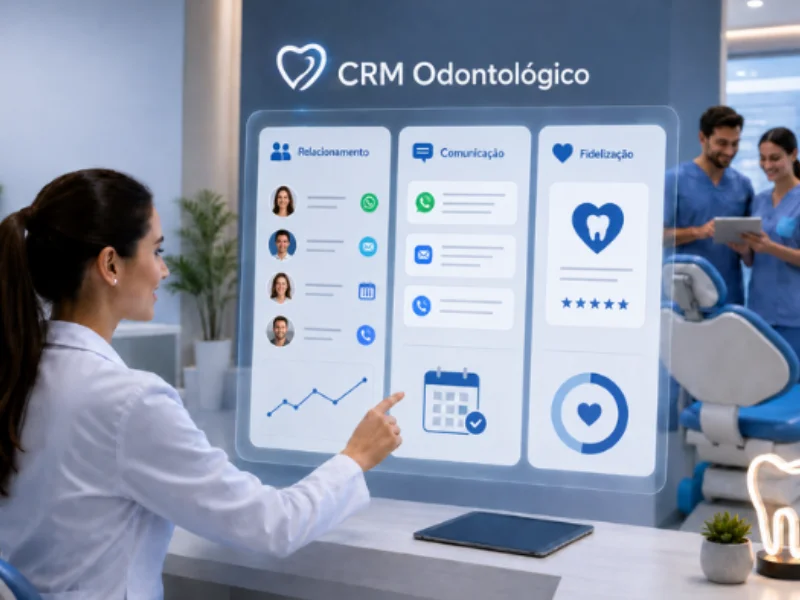
A dental CRM brings every interaction with your patients into one place, so the team knows who to contact, when and why. That makes communication faster and more personal, keeps follow-ups from being forgotten and helps patients keep coming back.
More and more clinics are adopting a CRM because tracking booked appointments is no longer enough. You need to understand how patients behave, stay in touch and create a more personal experience.
For a long time, clinics focused only on the schedule and the clinical work. But expectations have changed. Today, patients expect:
- more personal service
- fast communication
- ongoing follow-up
- easy ways to reach the clinic
Clinics that organize these relationships well build stronger bonds and keep more of their patients.
What is a dental CRM?
CRM stands for customer relationship management. In a dental clinic, it helps organize every interaction with patients, including:
- contact history
- treatment follow-up
- reminders
- relationship campaigns
- recalls
- treatment plans waiting for a decision
The main goal is to improve communication and strengthen the relationship between the clinic and the patient.
Why clinics are investing in patient relationships
Patient behavior has changed a lot in recent years. Excellent clinical care alone no longer guarantees that patients come back. They value the whole experience, which includes:
- easy scheduling
- quick replies
- close follow-up
- clear, efficient communication
- a warm, human touch
Clinics that stay in active contact see more patients return and build a stronger perception of value.
How a dental CRM improves patient care
All the information in one place
One of the biggest benefits of a CRM is organization. With centralized data, the team can follow:
- the patient's history
- preferences
- treatments completed
- previous contacts
- pending recalls
That makes it much easier to personalize every interaction.
More efficient communication
Communication becomes far more strategic when relationships are organized. With a CRM, you can automate:
- appointment reminders
- confirmations
- relationship campaigns
- post-visit follow-up
For more on this, see our article on the dental patient experience, which goes hand in hand with relationship and retention strategies.
Better patient follow-up
Many clinics lose opportunities simply because follow-up doesn't happen. Patients who asked for a treatment plan, started treatment or need to come back end up with no contact. A CRM helps reduce exactly those losses.
How a CRM supports retention and loyalty
A closer relationship
Patients value clinics that stay in touch and show they care. That builds trust and keeps them coming back. Small gestures make a difference:
- personalized messages
- post-visit follow-up
- preventive care reminders
- segmented campaigns
Fewer inactive patients
Many patients stop coming simply because the clinic never followed up. With organized processes, it's much easier to reactivate them and keep the relationship going over time.
More referrals
Happy patients refer more. When the experience is positive and the relationship is steady, the clinic strengthens its reputation and gets more word-of-mouth recommendations.
How to organize your processes with a CRM
Build relationship workflows
Patient relationships need structure. Here's a simple way to map them.
Before the visit
- appointment confirmation
- pre-visit instructions
- making sure information is up to date
During treatment
- ongoing follow-up
- organized return visits
- notes on patient preferences
After the visit
- a follow-up check-in
- automated campaigns
- satisfaction surveys
Automate repetitive tasks
Automation reduces mistakes and makes the team more productive. In ProDent, automations help clinics keep relationships active and the operation organized, which lets the team spend more time on the patient experience.
Common patient relationship mistakes
Some clinics still make mistakes that hurt retention. The most common are:
- replying slowly
- not following up with patients
- disorganized communication
- no personalization
- no relationship strategy at all
These problems lower the value patients see in the clinic and make long-term loyalty harder.
Where patient relationships in dentistry are heading
Patient relationships are becoming more and more strategic in dentistry. Salesforce highlights that companies focused on customer experience and relationships are better able to retain customers and build loyalty.
In practice, that means organized clinics that stay close to their patients will have a real competitive edge in the years ahead.
A CRM turns good care into lasting relationships
A dental CRM is no longer just a sales tool. It's part of how modern clinics grow. Organizing patient relationships improves retention, builds loyalty and raises the perceived value of the clinic. More structured processes also make communication more efficient and the patient experience noticeably better.
With Pro365 GO, the new ProDent that runs 100% on the web, your CRM, schedule and patient records work together in one place. Book a demo to see how it can support your patient relationships.