
Data-driven dental clinic management means running the schedule, finances and growth based on tracked indicators instead of gut feeling. Clinics that do it can predict results, find problems sooner and grow with more control. Clinical excellence is still the core, but on its own it doesn't make a clinic predictable.
Clinics that rely only on perception or manual tracking struggle to forecast results, organize the schedule and keep finances stable. Those that use indicators can identify failures quickly, improve processes and offer patients a better experience.
The problem: decisions without data create inefficiency
Many clinics face challenges like these:
- difficulty forecasting monthly revenue
- a high rate of no-shows and cancellations
- a schedule with low utilization
- administrative rework
- no clear view of profitability
In the Harvard Business Review, data quality expert Thomas C. Redman points to academic research finding that companies that see themselves as data driven are measurably more profitable than those that don't.
For a dental clinic, that means decisions based on indicators reduce risk and make results more predictable.
Common mistakes when a clinic doesn't track indicators
Clinics that don't track indicators usually run into the same issues: no financial predictability, decisions based only on the team's impressions and trouble identifying which procedures are actually profitable.
Without clear metrics, management becomes reactive, driven by urgencies instead of strategy. With structured data, the clinic can act preventively and focus on sustainable growth.
The solution: clinic management with clear indicators
Effective management starts with tracking a few strategic metrics.
Key indicators for dental clinics
- Schedule utilization rate
- Average ticket per patient
- Production by provider
- No-show and cancellation rate
- Fixed vs. variable costs
- Profitability by procedure
With integrated dental clinic software, this data stays centralized and updated in real time.
Related reading: The metrics profitable dental clinics track
Technology as the foundation of efficient operations
Technology in a dental clinic isn't just for digital patient records. It also structures:
- a smarter schedule
- automatic financial reports
- commission payouts to providers
- goal tracking
- the full patient history
Applied consistently, this reduces waste, improves organization and supports strategic decisions.
How data-driven management affects clinic results
1. More financial predictability
With clear indicators, you can forecast revenue and adjust strategy quickly.
2. A better patient experience
An organized schedule and fewer delays directly shape how patients perceive quality.
A consistent experience is a deciding factor in patient loyalty.
3. Sustainable growth
Data lets the clinic expand with control, especially in competitive markets.
Indicators and dental marketing
A clinic that monitors its data can understand:
- which procedures are most profitable
- which periods have the most demand
- who its patients are
That makes dental marketing more strategic and measurable.
Read also: Digital dental marketing trends that are changing clinics
How to implement data-driven management
- Define your priority metrics
- Centralize information in one system
- Set a weekly review routine
- Bring the team into a data culture
- Adjust strategy based on the reports
The change doesn't happen overnight, but consistency produces real transformation.
Data turns growth into a decision, not a guess
Clear indicators, integrated technology and steady follow-up lead to better decisions, better internal organization and more satisfied patients. More than a trend, data-driven management is how a clinic grows safely and stays competitive.
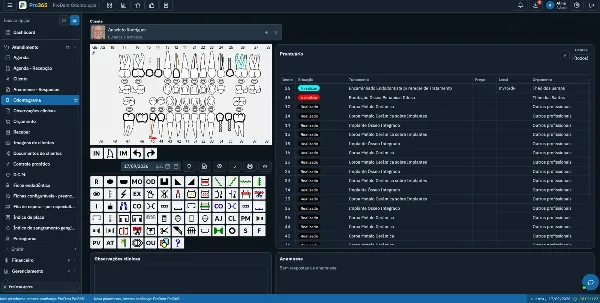
With Pro365 GO, the new ProDent that runs 100% on the web, schedule, financial and production data come together in management dashboards. Book a demo to see how to turn your data into growth.