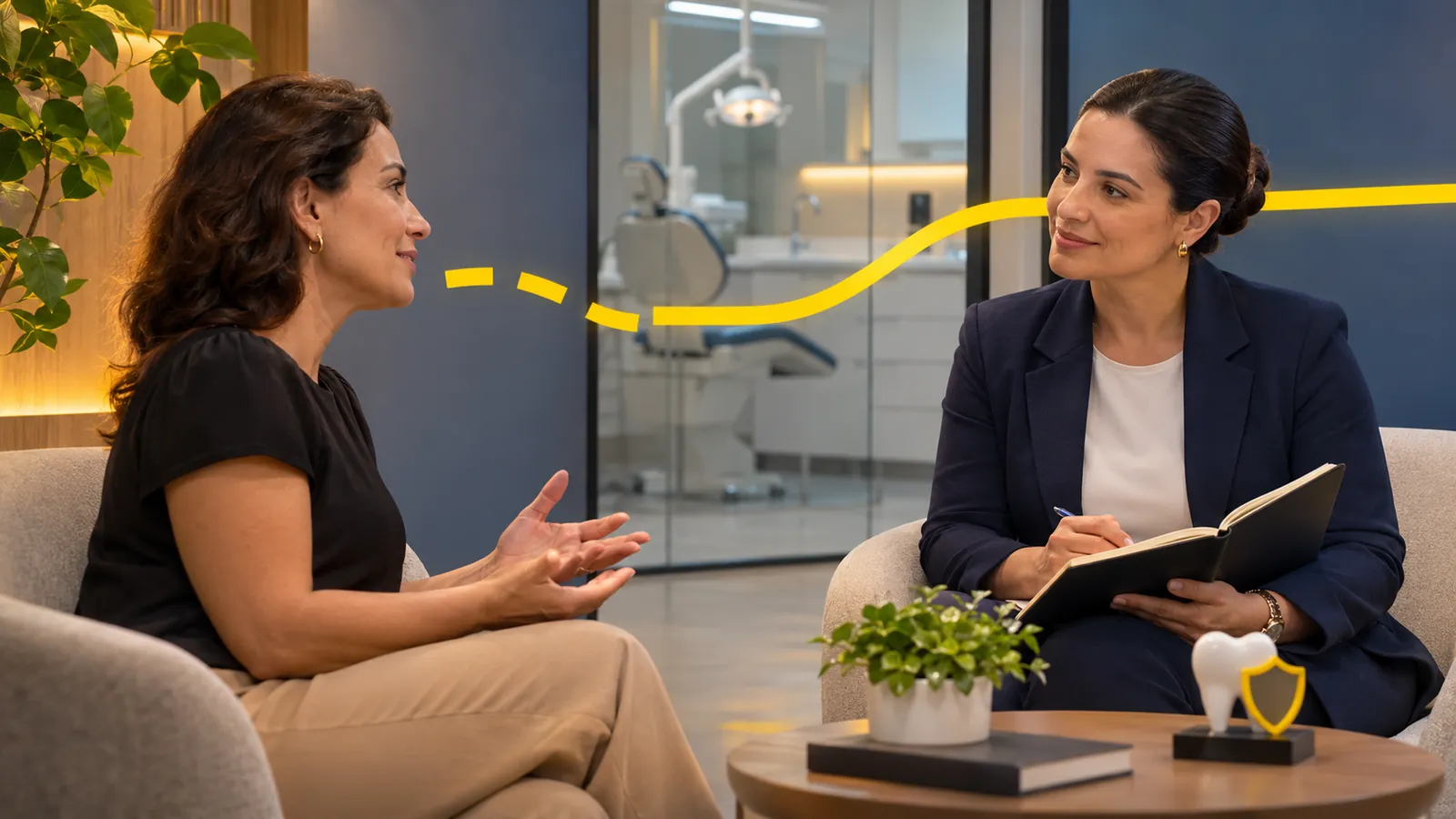
To win back an unhappy dental patient, the practice has to listen before it defends itself, protect the patient and their privacy, reconstruct what actually happened and respond in proportion to the failure. Then the case has to feed back into daily routines, so the same problem doesn't reach the next patient.
A complaint arrives by text message, at the front desk or in a public review. The first instinct may be to explain why the patient is wrong, offer a discount to make it go away, or forward the message to the dentist involved and hope they sort it out.
All three carry risk. Explaining before understanding can sound defensive. Compensating before investigating can be inconsistent and leaves the cause untouched. Making it personal too early can hide a process failure that will keep hitting other patients.
Service recovery takes listening, protection, investigation, response and learning. The goal isn't to keep every relationship or agree with every claim. It's to treat the concern with respect, protect privacy and safety, separate a clinical issue from a service failure and make a proportionate decision.
What does a patient complaint tell you?
A complaint isn't a diagnosis, but it is information. In 2025 the World Health Organization published a rapid tool for measuring patient-reported experiences in primary care. It treats patient experience as a core dimension of performance alongside effectiveness and safety, with indicators on access, continuity, coordination, people-centred care and overall experience. It isn't a ready-made survey for a private dental office, but it reinforces that patients' perceptions carry information you can use to improve.
A single complaint doesn't prove the whole process failed. It shouldn't be dismissed as "just their perception" either. It shows where the real experience drifted from what the patient expected, and it deserves to be reconstructed. It's the flip side of the dental patient experience: the moment it didn't go as promised.
The American Dental Association points out that problems can occur even in the best dentist-patient relationship and that complaints typically come from a breakdown in communication. It recommends being open to the patient's concerns and having a genuine dialogue. Before you defend the practice, find out what the patient understood, experienced and expected.
How to handle dental patient complaints: a five-step protocol
1. Acknowledge without confirming what you haven't investigated
The first reply should show that the complaint was received, say who will follow up and agree on the next contact.
Avoid lines like "that never happens here," "the doctor did everything right" or "we'll refund you." The practice hasn't reconstructed the facts yet.
A safer reply: "Thank you for telling us. We want to understand what happened and get back to you properly. I'm noting your concern, and I'd like to set up a good way for us to talk privately."
Acknowledging isn't admitting clinical or legal responsibility. It's recognizing the experience the patient describes and opening a process to listen. Apology laws differ from state to state, so the ADA suggests checking with your attorney and malpractice carrier about how statements of apology are treated where you practice.
2. Protect the patient, the team, confidentiality and continuity of care
Before you discuss causes, check for an immediate clinical need, a risk of interrupted treatment, pain, a complication, a documentation problem or anything else that needs a professional assessment. Clinical issues belong with licensed professionals and the protocols that apply.
Privacy needs protecting too. The HIPAA Privacy Rule protects individually identifiable health information, which covers not only a patient's condition but also the care they received and payment for it. The ADA Code of Ethics adds a professional duty to safeguard the confidentiality of patient records (section 1.B).
So a public review should never get a reply with details that identify treatment, dental records, health conditions, fees or history. Invite the person to a private channel without publicly confirming they're a patient.
3. Reconstruct what happened from more than one source
Let the patient speak without interrupting to correct them. Then rebuild the sequence from records and the people involved. Ask:
- what the patient expected to happen;
- when they first noticed a problem;
- what information they got, and through which channel;
- what consequence they experienced;
- what they would consider a fair response.
At the same time, check the schedule, authorized messages, documents, the treatment estimate, payments, relevant notes and other appropriate records. Separate facts, gaps and interpretations.
Don't write disparaging opinions in the clinical record, and don't mix financial information into clinical notes. Follow your practice's rules on documentation, confidentiality, access and retention, with guidance from the people responsible.
4. Respond in proportion
Not every complaint calls for the same response:
| Type of complaint | What the response may require |
|---|---|
| Communication breakdown | A clear explanation, an apology and a fix to the channel |
| Delay or long wait | Acknowledgment, schedule changes and prevention |
| Billing disagreement | A check of the account, a corrected record and a fresh walk-through of the terms |
| Clinical concern | Professional assessment, documentation and specialist or legal advice |
The Agency for Healthcare Research and Quality (AHRQ) defines service recovery as identifying and fixing the problem, or making amends for the failure, to restore trust. It stresses that good programs go beyond the quick fix: they track complaints and tell training problems apart from system problems. The response to one case has to feed improvement.
Discounts, refunds and courtesies shouldn't be automatic. On refund requests, the ADA notes that sometimes it isn't about money but about poor communication, and an attentive ear, an apology or a more detailed explanation may satisfy the patient. If you do refund, the ADA recommends a signed release and a check with your malpractice carrier. Financial decisions should follow a policy, documentation, clear authority and professional advice.
5. Close the loop and feed the lesson back into operations
After responding, confirm that the patient understood the next step and that the practice did what it promised. Record the closure in the right place and keep clinical, financial and administrative information separate.
Then classify the lesson:
- Individual case: the process was sound, but a specific situation needed its own response.
- Execution failure: the rule existed and was known but wasn't followed. The fix may involve training, access, capacity or accountability.
- Process failure: there was no adequate rule, a handoff between areas was unclear or the way the work was set up invited the error. This is where standardizing dental practice processes comes in.
- Misaligned expectations: the practice delivered what was agreed, but communication didn't make timelines, steps, costs, limits or responsibilities clear.
The loop is only closed when there's a decision about the system, even if that decision is to keep the process and document why the case was an exception.
How should a dentist respond to a negative online review?
Replying to an online review with details can make things worse. In its guide to managing online reviews, the ADA recommends being professional, prompt and private, and warns that practices can be fined for replies with identifiable patient information, or even for merely confirming that someone was a patient. Its suggested reply is a general statement that the office strives to serve all patients and invites anyone who wants to discuss their experience to call.
A public reply can simply say that the practice takes feedback seriously and offer a private channel. The investigation and the conversation belong somewhere protected.
Avoid:
- arguing the facts in public;
- posting screenshots of conversations;
- mentioning treatment, fees or dates;
- replying with sarcasm;
- asking team members to push back on the review.
The priority is to protect the patient, the team and your ability to resolve the issue.
How do you turn complaints into improvement?
ISO 10002, the international standard on complaints handling, reviewed and confirmed as current in 2023, guides organizations of any type or size to offer an open, easy-to-use complaints process, analyze complaints and review how effective their handling is. It also highlights top management commitment and training for the people responsible. It's the same logic as quality management in a dental practice: measure, correct, verify.
In a practice, that can be a simple management log that doesn't expose unnecessary data:
- topic of the complaint;
- point in the patient journey (scheduling, wait, visit, estimate, billing, recall);
- immediate risk;
- response taken;
- likely cause;
- change decided;
- date to verify.
The goal isn't a ranking of complaints by team member. It's to spot clusters by stage, repeats of the same failure, slow replies and promises that weren't kept.
Which metrics help without encouraging silence?
Fewer complaints don't always mean a better experience. AHRQ warns that many people would rather "switch than fight," especially in health care, where they fear complaining could affect the care they get. A practice that makes complaining hard can look calm while it quietly loses patients.
Combine different measures:
- Time to first meaningful reply: shows whether the practice acknowledges a concern instead of letting it disappear among messages.
- Time to necessary protection: for cases with clinical, documentation or financial risk, measures how fast protective action happens, not how fast the conversation ends.
- Repeat issues by process: helps locate failures that keep coming back in scheduling, wait times, estimates, communication, billing or continuity.
- Recovery promises completed: checks whether the practice delivered the follow-up, review, assessment or correction it agreed to.
These are measures the practice can track on its own, in the log described above; they aren't a ready-made report from any software.
How can you use one complaint to train the team?
Pick a recent complaint that's already closed. Remove identifying details and rebuild the path: expectation, what happened, response and change.
Ask the team where the practice could have spotted the problem earlier, which record helped or was missing, and which promise had to be kept. Finish with a change you can verify, or with the reason for keeping the process as it is.
Winning back trust isn't about winning an argument. It's about responding with dignity, protecting care and making sure the same failure doesn't stay hidden in the routine.
How Pro365 GO can help
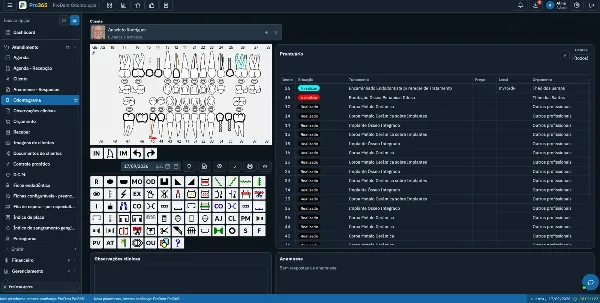
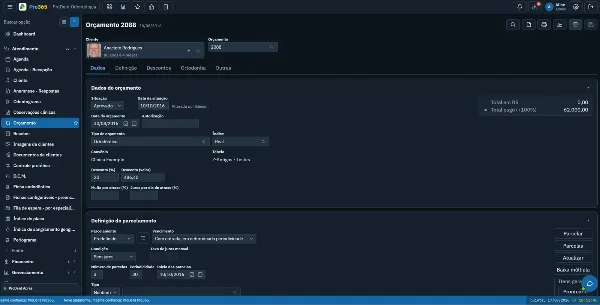
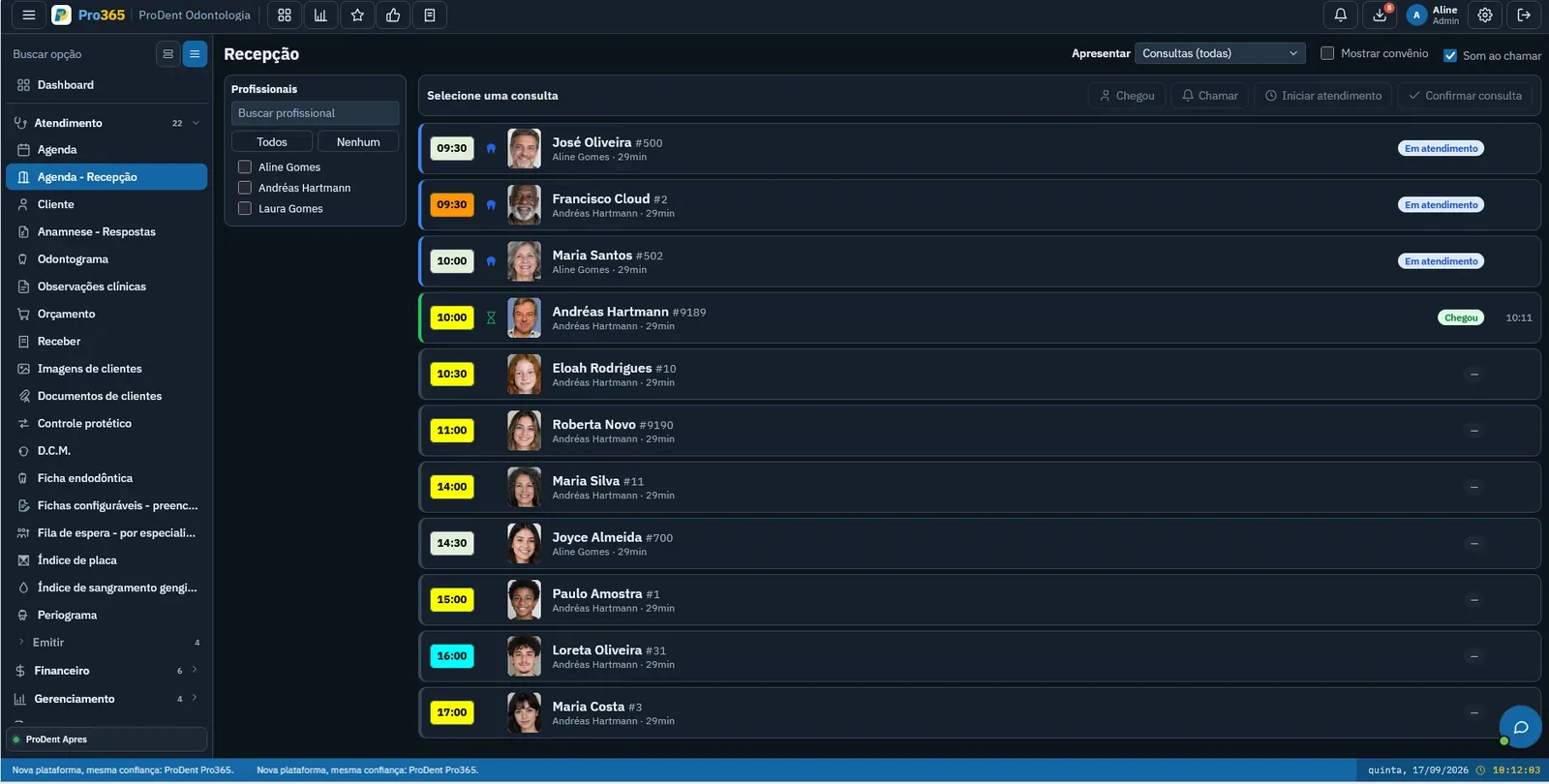
Pro365 GO, the new ProDent and 100% web-based, brings together scheduling with appointment confirmations sent through WhatsApp, a front desk view with arrival, call-in and visit status, clinical records with notes and documents, treatment estimates, billing and patient follow-up. Those records help you reconstruct the patient journey, find the handoff where something slipped and track the actions you agreed on. In the dental KPI dashboard, patient no-shows and practice-side failures appear separately, and each person only sees what their permissions allow.
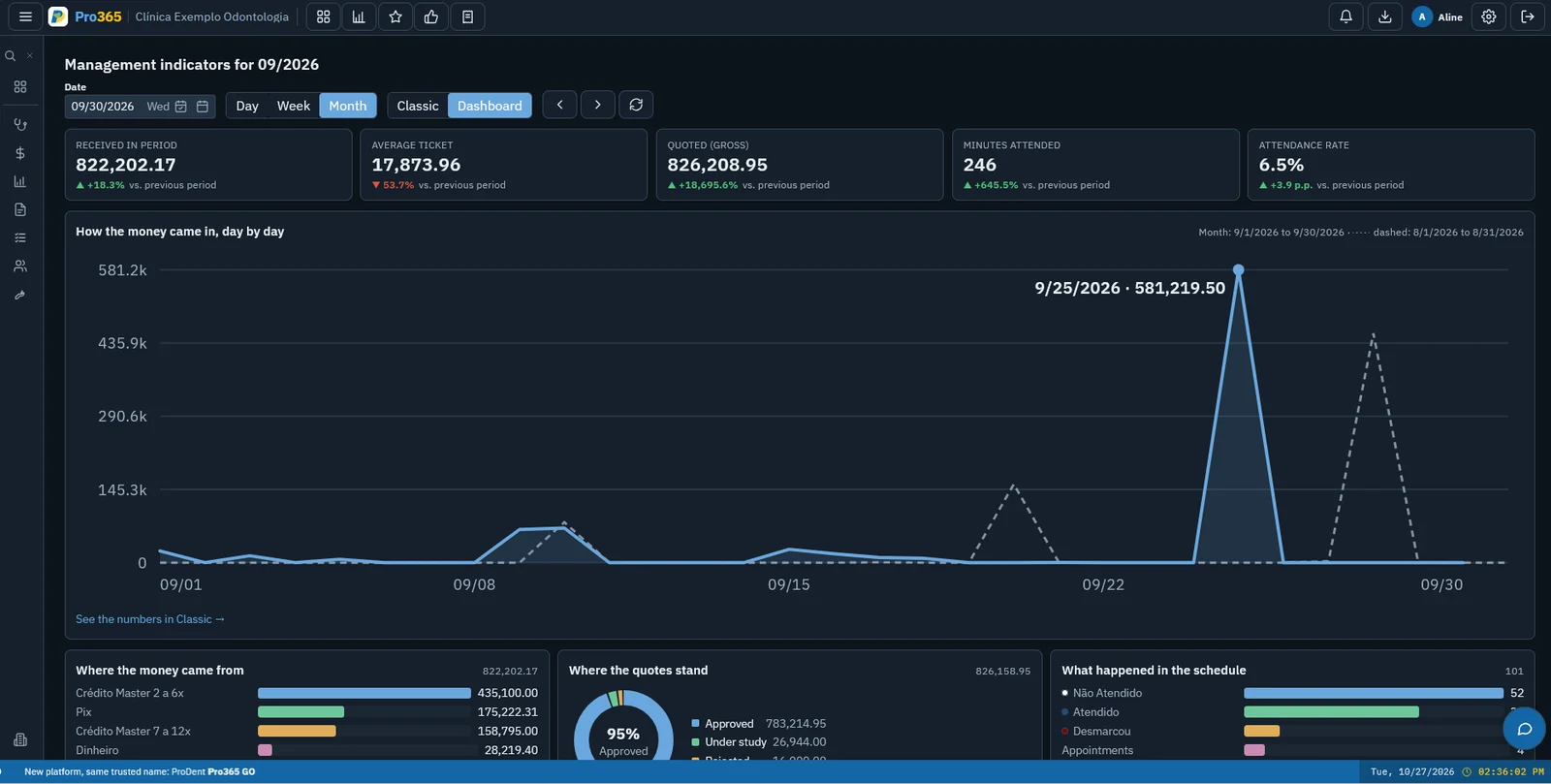
When the cause is an execution failure, Pro365 AI Instructor answers the team's questions about how to use the system, and the HartSystem team supports the practice through the first weeks and helps read the indicators. Technology doesn't decide who is right, assess clinical conduct, choose compensation or replace the practice's clinical, legal and ethical decision-makers. It doesn't replace human listening either.
Book a demo to see how records and indicators can help your practice respond better.
Written by the HartSystem team, which has developed ProDent dental software since 1993 and works with practices in Brazil, Portugal, the United States, Mozambique and Paraguay.