
To improve the dental patient experience, focus on five things: a standard workflow, automated communication, shorter waits, real follow-up after the visit and decisions based on data. Each one fixes a step where patients quietly lose confidence in the clinic.
Clinical quality is now the minimum patients expect. What sets a clinic apart is how patients feel at every step, from the first message to the follow-up after treatment.
That's where many clinics struggle. Disorganized processes, patchy communication and little attention to the relationship lead to predictable results:
- Patients who don't come back
- A high no-show rate
- Few referrals
- Empty slots in the schedule
The fix comes down to structure, standardization and smart use of technology.
What shapes the patient experience in a dental clinic
The patient experience isn't a single moment. It's the sum of every contact with the clinic, from the first message to the care after the appointment.
In practice, it includes:
- Response time on the first contact
- How easy it is to book
- How clear the information is
- How organized the schedule is
- Punctuality
- The quality of communication
- Follow-up after the appointment
Each of these points can strengthen or damage how the patient sees the clinic.
Where clinics go wrong
Most clinics believe they offer good service, but they make silent mistakes that hurt the experience:
- Slow replies to messages
- No appointment confirmations
- Forgotten follow-up visits
- No standard for communication
- Team members giving different information
One of the most critical mistakes is tied to the schedule: many clinics still don't use reminders and confirmations correctly.
The two do different jobs. The reminder helps the patient plan from the moment the appointment is booked. The confirmation checks whether the patient will actually show up, usually the day before. When the clinic doesn't use both, it loses control of the schedule.
How the experience affects the schedule and revenue
The patient experience has a direct effect on:
- How full the schedule is
- The no-show rate
- Treatment plan acceptance
- Patients returning for maintenance
Compare two clinics.
A clinic without a structured process has:
- A disorganized schedule
- Many gaps
- Rework at the front desk
- An overloaded team
A clinic with a structured process has:
- A reminder sent at booking
- An automatic confirmation the day before
- Follow-up with patients who missed their appointment
- Standardized communication
The result is fewer no-shows, more predictability, a fuller schedule and steady growth.
5 ways to improve the dental patient experience
1. Standardize the patient workflow
Everything starts with process. Set a standard for:
- First contact
- Scheduling
- Confirmation
- The appointment
- Post-visit care
Without it, each team member does things their own way, and the experience becomes inconsistent.
2. Automate communication
This is where scale matters. You can't rely on manual processes to reach every patient on time.
With automation, you can:
- Send reminders automatically
- Confirm appointments with one click
- Send follow-up messages
- Run relationship campaigns
A good system sends automatic messages for many situations, such as reminders, follow-up visits and reactivating inactive patients. That reduces human error and makes the experience much more consistent.
3. Cut wait times
Time shapes how patients perceive value. When patients wait too long:
- They lose confidence
- They associate the clinic with disorganization
- They value the service less
Digital steps before the visit, such as online intake forms, help a lot here.
4. Improve post-visit care
This is one of the most neglected steps. Few clinics consistently:
- Check in with patients after the appointment
- Remind them about follow-up visits
- Keep an ongoing relationship
Yet this is exactly what builds loyalty.
5. Use data to make better decisions
Growing clinics use data. Indicators show:
- The no-show rate
- Treatment plan acceptance
- Team productivity
Without them, management turns into guesswork.
Technology amplifies the service, it doesn't replace it
Technology doesn't replace the human side of care. It makes it stronger. A well-used system gives you:
- A fully organized schedule
- A centralized patient history, starting from the first inquiry
- Automated communication
- Tracking of key indicators
Combined with the five changes above, that transforms the patient experience.
Patient experience is now a requirement, not a bonus
The patient experience is no longer something extra. Patients expect it.
Clinics that invest in it:
- Win and keep more patients
- Have fewer no-shows
- Grow with more predictability
Most importantly, they build a strong brand.
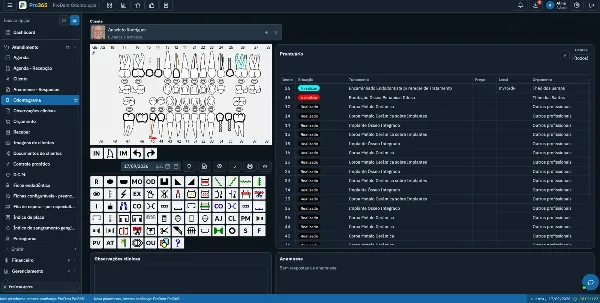
Pro365 GO, the new ProDent that runs 100% on the web, brings scheduling, reminders, confirmations, patient history and indicators into one place, so each of these five improvements becomes part of the daily routine. Book a demo to see how it works in your clinic.