Poor dental lead follow-up shows up in predictable ways: no one knows who needs a callback, treatment plans go quiet and growth stalls between the first contact and the decision. If you recognize the seven warning signs below, the problem is probably not a lack of interested patients but what happens after they reach out.
The pattern is familiar. A patient asks for information, receives a treatment plan, says they'll think about it and disappears. The team means to call back later, but the day gets busy, the schedule fills up and the lead goes cold. At the end of the month, it feels like there was plenty of activity but few real conversions.
The gap between a lead that goes cold and a treatment that gets accepted usually has less to do with the patient's intent and more to do with how the clinic is organized.
1. Inquiries come in, but no one knows exactly who needs a callback
This is one of the most common signs. The clinic receives calls, texts, web forms, social media messages and requests for a treatment estimate, but there's no clear view of who is waiting for a reply, what stage they're in and when they were last contacted.
When that happens, the sales process depends on the team's memory. And memory doesn't hold up a routine.
2. The treatment plan was sent, but no one follows up
Many clinics handle the first visit well, put together the treatment plan correctly and assume the work is done. But for many patients, the decision comes later.
Without a follow-up routine, the treatment plan goes into "thinking about it" and simply drops off the radar. Not because the patient said no, but because no one picked up the conversation at the right time.
3. There's interest, but no way to prioritize the best leads
Not every lead is at the same point. Some are researching. Some already want to book. Others just need a well-timed follow-up to move forward.
When the clinic treats every contact the same way, it loses efficiency. It becomes harder to prioritize those closest to a decision and to direct the team's energy where it counts.
4. Follow-up changes depending on who's at the front desk
If each team member uses a different method, follow-up becomes a set of isolated efforts. One writes notes on paper, another leaves a message in a chat app, another promises to call back later. The result is no standard at all.
That hurts conversion and management alike. The office manager can tell there are open opportunities but can't see clearly where the process is getting stuck.
5. The clinic doesn't know how many leads actually became patients
Without structured follow-up, the clinic senses activity but can't see the funnel clearly. How many inquiries came in? How many moved forward? How many booked? How many are on hold? How many were lost?
When those answers aren't easy to find, sales decisions rest on impressions, not process.
6. The team gets back to leads too late
Timing matters in dental sales. Someone who showed interest today may be comparing options, weighing costs or trying to figure out the best time to start treatment.
If the clinic is slow to follow up, it loses ground. Often not to a better competitor, but to a clinic that replied and followed up at the right moment.
7. Growth is stuck between first contact and case acceptance
This may be the most important sign. The clinic markets itself, gets referrals and generates demand, but results don't grow at the same pace.
When that happens, the bottleneck may not be lead generation at all. It may sit in the middle, between initial interest and the decision. That stretch needs real organization.
What improves when lead follow-up has a structure
When follow-up stops being improvised, the clinic gains more than control. It gains predictability.
With a better structured process, it becomes easier to:
- record every contact with context
- know who needs a callback
- track treatment plans patients are still considering
- see each stage of the sales process
- avoid forgotten leads and rework
- raise the chance of conversion without relying only on new leads
These improvements affect the front desk routine, the team's productivity and how well the clinic uses the interest it already generates.
Where a dental CRM fits in
A dental CRM makes sense exactly at this point: it turns scattered contacts into a process that is visible, trackable and less dependent on improvisation.
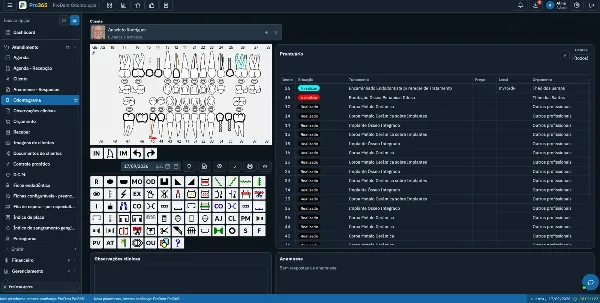
In ProDent, the CRM lets the clinic run all of its lead follow-up in one place: record each lead, track stages, organize callbacks and reduce losses between first contact and acceptance. That helps the team work more consistently and keeps important opportunities from stalling.
More than "having a CRM," the point is having a lead management process the team can follow every day.
Interest rarely disappears on its own; it goes cold
If your clinic sees interest but little conversion, the problem may be follow-up. Opportunities don't vanish by themselves. Most of the time, they cool off because no one kept the conversation going.
Organizing dental lead follow-up is a practical way to improve conversion, standardize callbacks and bring clarity to the sales process. When that flow lives inside the clinic's own system, the team gains control without creating parallel work.
With Pro365 GO, the new ProDent that runs 100% on the web, leads, treatment plans and the schedule sit in the same place. Book a demo to see how your team can follow up on every inquiry.