Dental patient scheduling has stopped being a back-office task and become part of the patient experience. Patients now expect fast replies, easy booking, automatic reminders and simple rescheduling, and a clinic that adapts its schedule to that behavior wins more appointments.
This article covers the main shifts in how dental patients behave and how to adapt your clinic's schedule to them.
How patient behavior has changed
In recent years, the profile of the dental patient has changed significantly. Today, patients:
- research before choosing a clinic
- value speed and convenience
- expect quick replies
- prefer digital communication
- compare experiences, not just prices
That directly affects how a clinic runs its schedule. The schedule is no longer just an internal record. It's part of the experience.
Why the schedule became strategic
The patient schedule is more than a grid of time slots. It influences:
- the patient's first impression
- the decision to book
- how organized the clinic seems
- patient loyalty
Picture a clinic that takes hours to answer an appointment request. It will lose that patient to another clinic that answers in minutes. In other words, the schedule affects how many new patients you bring in.
Five dental scheduling trends
To keep up with the market, you need to understand where scheduling is heading.
1. Instant booking
Patients want to book quickly, without red tape.
2. Digital communication
Messaging has become the channel many patients prefer over a phone call.
3. Automated confirmations
They reduce no-shows and keep the schedule organized.
4. Flexible hours
Patients look for alternative time slots.
5. A connected experience
From booking all the way to post-appointment follow-up.
These trends show that the way a clinic schedules patients has to evolve.
The digital patient: what they expect from your clinic
Today's patient is more demanding. They expect:
- fast replies
- an easy way to book
- automatic reminders
- the option to reschedule without hassle
- appointments that start on time
If the clinic doesn't offer that, they simply look elsewhere.
How to adapt your schedule in practice
Now for the most important part: putting it into practice.
1. Cut your response time
Set a standard:
- reply to messages within 5 minutes
- prioritize new patients
That turns more inquiries into booked appointments.
2. Plan your time slots strategically
Look at your schedule:
- the most requested times
- the idle periods
Then adjust to balance demand.
3. Make booking easy
Avoid complicated processes. Ideally, booking should have:
- few steps
- clear communication
- a quick confirmation
4. Set up automatic reminders
Send messages:
- 24 hours before
- on the day of the appointment
That reduces no-shows and keeps the schedule organized.
How the experience drives growth
The patient experience starts before the appointment. When scheduling is:
- fast
- organized
- efficient
it builds:
- more trust
- more referrals
- more returning patients
A confusing schedule, on the other hand, leads to frustration.
The role of technology in the new schedule
To keep up with these changes, technology becomes an ally. Clinic management software can help you:
- centralize appointments
- automate confirmations
- organize time slots intelligently
- connect communication with patients
It also lets you:
- track no-show rates
- spot idle time slots
- make better decisions
Clinics that adapt keep growing
Dentistry is changing, and fast. The schedule is no longer just an internal record; it's an essential part of the patient experience. Clinics that understand this adapt faster, serve patients better and grow more consistently. Adapting isn't optional. It's a strategic choice.
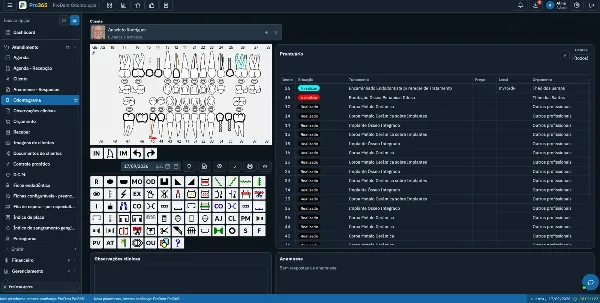
Pro365 GO, the new ProDent that runs 100% on the web, centralizes appointments and sends automatic confirmations so your front desk can keep up with what patients now expect. Book a demo to see it in action.