
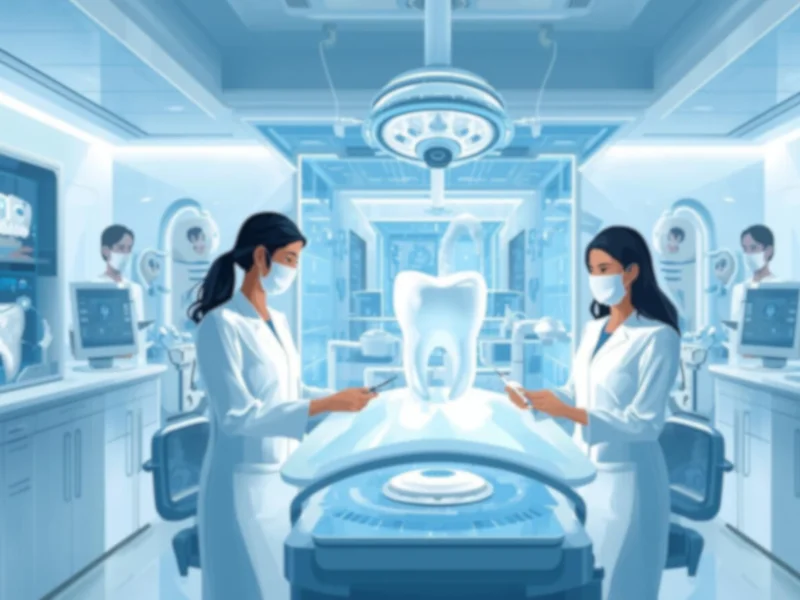
Dental clinic positioning in 2026 means choosing what your clinic wants to be known for and backing that choice with data, digital processes and a consistent patient experience. General dentistry is more crowded than ever, so a defined niche, a clear specialty message and a team that speaks with one voice are what make a clinic stand out.
The dental market is going through fast, strategic change: more competition, growing digitalization and shifting patient behavior. Clinics still running on old processes face challenges such as:
- Shrinking margins
- More local competition
- More demanding patients
- Rising operating costs
On the other hand, managers who pay attention to these trends can anticipate change, adjust their strategy and grow sustainably.
Below are the trends shaping how dental clinics position themselves in 2026, and how to apply each one in practice.
1. A new kind of dental patient
First, accept that the patient has changed.
Today, patients:
- Research before booking
- Check online reputation
- Compare prices and experiences
- Value fast service
Practices that ignore this new profile tend to lose ground.
How to apply it:
- Monitor your Google reviews
- Standardize how your team replies on WhatsApp and text
- Respond to requests quickly
- Invest in clear communication
2. Digital as the market standard
Going digital is no longer a future trend. It has become the competitive standard.
That includes:
- Digital scheduling
- Electronic patient records
- E-prescribing
- Automated patient communication
Practices that still rely on manual controls face:
- Lost information
- Rework
- No reliable KPIs
Going digital isn't a luxury. It's operational efficiency.
How to apply it:
- Map your manual processes
- Identify bottlenecks
- Replace parallel spreadsheets and notes with centralized solutions
- Train the team to follow the same standards
3. Data-driven dentistry
Another strong trend is management based on KPIs.
Before: decisions were made by "gut feeling."
Now: decisions need data.
Essential metrics:
- No-show rate
- Consultation-to-treatment conversion
- Average revenue per patient
- Monthly fixed costs
- Revenue per provider
Clinics that review their numbers every week have more financial predictability.
How to implement it:
- Define 5 core KPIs
- Set a monthly target
- Review results weekly
- Adjust your strategy quickly
Data reduces risk and increases control.
4. Experience as a deciding factor
The market is increasingly driven by experience.
A technically excellent procedure isn't enough. Patients also judge:
- Wait times
- How clearly information is explained
- How organized the clinic is
- Communication after the visit
Small improvements have a big impact:
- Automatic appointment confirmation
- Personalized reminders
- An organized environment
- Structured follow-up after treatment
Over time, this generates word-of-mouth referrals.
5. Specialization and strategic positioning
This is where positioning becomes concrete. The general dentistry market is more competitive, and the clinics that stand out:
- Have a defined niche
- Communicate their specialty
- Have a clear identity
Examples:
- A focus on cosmetic dentistry
- A focus on orthodontics
- A focus on oral rehabilitation
Specialization builds authority and makes targeted marketing easier.
Step by step:
- Analyze your most profitable treatments
- Identify your technical differentiator
- Adjust your communication
- Train the team to deliver an aligned message
6. Where clinic management software fits in
Clinic management software isn't the trend itself, but it's the base that supports all of them.
It allows you to:
- Centralize scheduling and patient records
- Generate financial reports
- Track KPIs
- Standardize processes
- Reduce administrative errors
Without structured software, a clinic struggles to track data, automate tasks and organize its growth.
Technology is a strategic support. It isn't the goal, but the means to efficiency and competitiveness.
Positioning is now a matter of competitive survival
The 2026 dental market demands:
- Data-driven management
- Real digitalization
- A distinctive patient experience
- Strategic positioning
Clinics that get ahead of these trends grow with less risk and more predictability. And good software makes the work easier by cutting rework.
Adapting isn't optional. It's what keeps a clinic competitive.
With Pro365 GO, the new ProDent that runs 100% on the web, you track the numbers behind your positioning, from treatment profitability to no-shows, in one place. Book a demo to see how it can support your strategy.