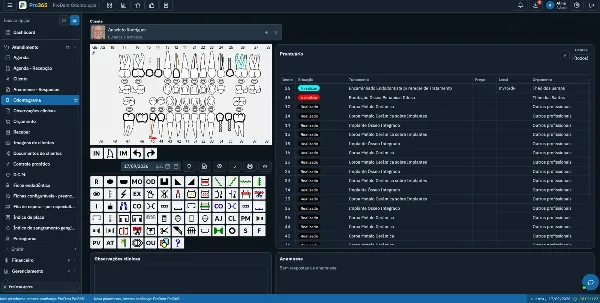
The first 90 days of a new dental clinic set the tone for the business. Staying afloat in that stretch comes down to a few things: controlling cash from the first month, protecting the schedule, managing your own time and tracking a handful of simple numbers every week.
It's also the period when many dentists realize that opening a clinic is much more than treating patients well. It means running a business. Dental school prepares you to perform procedures, not to handle cash flow, decision-making, pricing, processes and time management, so mistakes made in the first months tend to be costly, financially and emotionally.
In this article, you'll see how to get through the first 90 days with more control, using management principles that apply to any business, not just dentistry.
First 90 days: think like a business owner
You didn't just open a clinic, you started a company
The first mindset shift is simple but essential: when you opened the clinic, you stopped being only a dentist and became the manager of your own business.
That means:
- making financial decisions
- setting priorities
- creating processes
- measuring results
Businesses that aren't run like businesses tend to improvise, and improvisation is expensive.
Get the finances in order before you grow
Revenue isn't profit
In the first 90 days, a common mistake is confusing activity with results. Many dentists get excited about a full schedule but can't answer basic questions such as:
- what it costs to keep the clinic open each month
- how much is actually left in the bank
- which procedures are most profitable
Without financial control from the start, the risk of debt goes up.
Related reading: Modern dental clinic management
The first 90 days demand control of the schedule
A full schedule doesn't fix disorganization
A disorganized schedule leads to:
- frequent no-shows
- poorly planned add-ons
- physical exhaustion
- low productivity
A study reported by Dental Tribune, based on data from a reminder service provider, found that clinics using automated reminders reduced no-shows and increased production.
From day one, treat the schedule as a business asset, not just a list of appointment times.
Time management: your scarcest resource
In the first months, the dentist usually does everything:
- treats patients
- answers messages
- manages the schedule
- handles the finances
Without organization, that leads to overload and poor decisions.
Healthy businesses learn early to:
- prioritize tasks
- automate what's repetitive
- avoid rework
Technology is a big help here.
Technology isn't a cost in the first 90 days
Clinic software is infrastructure, not a luxury
Putting off technology looks like saving money, but it usually does the opposite: you lose control.
Dental clinic software helps from the start to:
- organize the schedule
- track money coming in and going out
- centralize information
- follow simple KPIs
Related reading: Opening a dental clinic: what dental school doesn't teach
The first 90 days also shape the patient experience
The patient experience starts with the first contact with your clinic. Organization, clarity and professionalism directly affect how patients perceive value.
A disorganized clinic loses patients before it even builds its first patient base.
Simple KPIs to track in the first 90 days
You don't need dozens of metrics. In the first months, focus on:
- no-show rate
- schedule utilization
- monthly revenue
- fixed costs
- cash flow
These numbers help you correct course before a problem grows.
Best practices to survive and grow in the first 90 days
A practical checklist:
- run the clinic like a business
- control finances from the first month
- organize the schedule and processes
- use technology from the start
- track a few KPIs, but consistently
The first 90 days are about avoiding big mistakes
The first 90 days of a new dental clinic aren't about growing fast. They're about not making costly mistakes. Organization, control and a business mindset matter more at this stage than any clinical technique.
Those who set up management early build a clinic that's healthier, more sustainable and ready to grow.
In your first months, or getting ready to open? Pro365 GO, the new ProDent that runs 100% on the web, helps you organize the schedule, finances and processes from the start. Book a demo to see how it works.