
Optimizing dental clinic management starts with taking repetitive operational work off the manager's plate. When confirmations, intake forms and reports run on their own and the team knows how to use them, the time you win back can go to patients and to growing the clinic.
Good practice management goes far beyond organizing the schedule. It's about changing the routine, streamlining processes and delivering more efficient care to increasingly demanding patients. This article looks at how successful clinics make time management a priority, based on the ideas in HartSystem's video "Optimizing your time."
Why your time matters so much
The video points out that many dentists spend a large part of the day on operational tasks: manual scheduling, confirmations, checking documents, financial reports. That eats up energy that could go to in-person care and to growing the clinic.
In a competitive market with demanding patients, well-managed time can be the difference between an average clinic and a reference in its area. Seeing more patients, with quality and without stress, shows up directly in your reputation and your revenue.
Smart automation: the real turning point
The video highlights the power of automation in ProDent, HartSystem's solution. These features eliminate manual work:
Scheduling and confirmations via WhatsApp and SMS: with configurable triggers, reminders go out without anyone having to send them.
Fast-in: patients fill out their health history digitally before the visit. That shortens lines at the front desk and gets your day organized from the start.
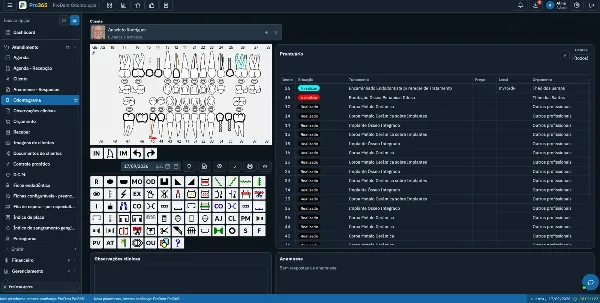
Real-time reports and indicators: data such as no-show rate, overdue payments, appointment volume and revenue are available on the dashboard, so you can make informed decisions throughout the day.
The result is a team focused on what matters and less time wasted on repetitive tasks. That's what good practice management looks like.
Adoption: using the whole system
Automations don't help if they aren't used well. The video stresses that the secret is to put smart strategies in place and support them with training:
Structured onboarding: every team member needs to know what each button, alert and report is for.
Daily monitoring: assign someone to review the latest indicators and suggest improvements every day.
A culture of continuous improvement: a team that suggests improvements to how the system is used moves toward proactive management.
This approach gets much more out of ProDent's features, reduces human error and builds the team's confidence.
Connecting with patients: comfort and easy directions
The video shows that a positive experience starts before the patient even arrives. With features built into ProDent, you can offer convenience and care from the first contact:
- appointment confirmations sent via WhatsApp, with a direct link to Google Maps or Waze;
- an option to call an Uber right from the appointment confirmation, for patients who prefer a ride.
This makes a big difference especially for:
- older patients, who avoid trouble finding the way;
- people with busy schedules, who need speed and precision to arrive on time;
- patients in long treatments, such as orthodontics, who come back many times.
In the end, paying attention to how patients get to you is part of the personal care that builds loyalty, and it helps prevent no-shows caused by getting lost or running late.
Decisions based on data
With a dashboard of indicators updated in real time, managers stay informed about:
- no-show trends;
- seasonality of treatment plans presented versus accepted;
- levels of overdue payments;
- performance by provider or specialty.
The video makes the point clearly: clinics that manage with data understand their financial and clinical health with more precision.
What sets efficient clinics apart
In a competitive market, what separates clinics that grow from those that stall is efficient management. When a clinic adopts features such as:
- digital scheduling with automatic directions via Maps and Waze;
- fast digital intake;
- consistent reminders;
- a team ready to step in where needed;
it becomes a reference for efficiency in its area, with a clear competitive advantage.
Watch "Optimizing your time: the secret of successful clinics" (in Portuguese):
The video shows real examples of the system in use, automatic confirmations, dashboards and the interface, reinforcing each topic in this article.
Turn your time into growth
HartSystem's video sums up what every successful clinic already knows: optimized time means operating profit and better care.
If you want to follow this model, the ideal combination is:
- Adopt smart software like ProDent;
- Train the team consistently;
- Monitor indicators and adjust to your real routine;
- Use mobility and directions features to add value for patients.
If you're a clinic owner or manager and want to put these strategies in place, HartSystem's specialists can help you set up ProDent and adapt the automations to your clinic. Pro365 GO, the new ProDent that runs 100% on the web, brings these automations together in one place. Book a personalized demo.