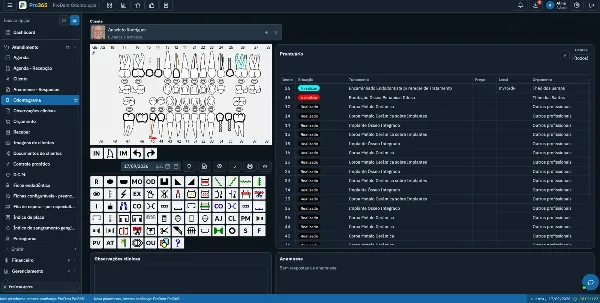

The fastest way to reduce operational errors in a dental clinic is to find the bottlenecks that cause them and replace scattered, manual controls with one integrated system. When the schedule, financials and patient records live in the same place, the team stops redoing work and decisions stop being made on guesswork.
Clinics that still rely on manual controls, standalone spreadsheets or processes that change from person to person face constant rework, internal communication gaps and missed revenue opportunities.
The impact is direct: an overloaded team, a disorganized schedule and decisions made on the fly.
Productivity means fewer failures, not faster appointments
In dentistry, productivity doesn't mean rushing more patients through the chair. It means:
- cutting waste
- reducing rework
- making better use of the schedule
- improving financial control
- standardizing processes
That's why technology applied to practice management becomes strategic.
The most common bottlenecks in a dental clinic
Start by identifying the main problems:
- manual appointment confirmations
- no real control over cash flow
- information spread across different places
- difficulty tracking metrics
- weak internal communication
Without clinic management software, each area works on its own. The result is lower productivity and more administrative errors.
How integrated software removes operational failures
Integrated dental software brings together:
- a digital schedule
- financials
- patient profiles and history
- AI for strategic questions
- performance metrics
This integration lets you see the clinic as a whole and spot bottlenecks quickly. Clinics with structured management can grow in a more predictable way.
The schedule: where no-shows turn into lost revenue
The digital schedule is one of the areas with the biggest impact on productivity. Key features include:
- automated appointment confirmations via WhatsApp
- scheduled reminders
- a clear view of open and booked slots
- no-show reports
Fewer no-shows means recovering revenue that would otherwise be lost.
Financial blind spots are operational errors too
Productivity is also tied directly to financial control. Dental software lets you:
- manage accounts payable and receivable
- generate financial reports
- analyze profitability by procedure
Without this data, decisions are based on assumptions. With structured data, the clinic owner can decide with confidence.
Standard processes mean fewer mistakes at the front desk and chairside
Consistency and organization shape how patients perceive the quality of care. In practice, standard processes:
- reduce failures
- improve the patient experience
- cut rework
- make the team more productive
This topic also connects with: Data-driven dental marketing
Metrics that reveal where the clinic is failing
The real productivity gain comes when the clinic starts tracking metrics such as:
- schedule occupancy
- average revenue per patient
- no-show rate
- treatment plan acceptance
- monthly revenue
With dental clinic management software, these numbers are available in real time, which replaces uncertainty with control.
Fewer bottlenecks, more predictable growth
Clinic management software sits at the core of a modern, productive dental clinic. Clinics that invest in it can:
- remove bottlenecks
- reduce no-shows
- organize their finances
- improve team performance
- grow predictably
In a competitive market, operational efficiency is what keeps a clinic sustainable.
Pro365 GO, the new ProDent that runs 100% on the web, connects your schedule, financials, patient records and metrics so errors surface before they cost you. Book a demo to see it in your own workflow.