The cost to open a dental clinic has no single answer: it depends on your city, the space, the specialties you offer, permit requirements and how much technology you adopt. What every realistic budget has in common is that it covers three layers: the startup investment, the monthly cost of operating and the "invisible" costs that never show up in the first quote.
It's one of the most common questions from dentists finishing school or planning their own office. The problem is that most answers online only list what's easy to see. The costs that get ignored are the ones that put many new clinics under pressure in their first years.
Opening a dental clinic isn't just buying a chair and renting a room. It's starting a healthcare business, with fixed costs, variable costs, legal obligations and hidden expenses that need to be planned from the start.
How much it costs to open a dental clinic: three realistic scenarios
In practice, the cost of opening a dental office varies widely. Instead of chasing one magic number, it helps to think in terms of scale. Startup budgets usually fall into three common scenarios, not as a fixed rule but as an order of magnitude:
- Lean setup: investment focused on the essentials, with a simple operatory, basic equipment and tight cost control.
- Mid-range setup: a more complete office, with better finishes, more comfort, additional equipment and technology to support management.
- Full build-out: a larger investment in infrastructure, technology, equipment and patient experience from day one.
These scenarios help you plan the capital you need, understand the level of risk and avoid impulsive decisions early on.
What matters most isn't the absolute amount you invest. It's how well the setup, your financial capacity and your management plan fit together.
Physical space costs (the most visible ones)
Space and build-out
The first costs of opening a dental clinic usually include:
- leasing or buying the space
- renovation and health and safety adjustments
- accessibility
- dental-specific plumbing and electrical work
These costs can vary a lot depending on the city. In large metro areas, the price per square foot has a direct effect on your startup investment.
Dental equipment: where many dentists overspend
The dental chair is only one part of the investment. Other costs include:
- a complete delivery unit
- compressor
- autoclave
- X-ray equipment (when applicable)
- instruments
- clinical furniture
A common mistake is buying everything at once, before there's real demand, and draining cash before the clinic is even open.
Hidden costs dental school doesn't teach
Licensing and legal obligations
Rarely discussed, but essential:
- professional licensing and clinic registration
- health and safety permits and inspections where required
- accounting fees
- local business fees
These costs don't generate revenue, but they're mandatory.
What it costs to keep a dental clinic open every month
Opening is only the beginning. The biggest mistake people make when they ask about the cost to open a dental clinic is not calculating the monthly cost of operating it.
Common fixed costs:
- rent
- utilities and internet
- accountant
- consumable supplies
- payroll
- taxes
- equipment maintenance
Without control, these costs eat into revenue quickly.
Related reading: Opening a dental clinic: what school doesn't teach
Technology: a small cost with a big impact
Dental clinic management software is often seen as an expense, but it's a small fraction of the total cost and helps avoid expensive mistakes.
Technology helps you:
- track finances from day one
- organize the schedule
- reduce no-shows
- follow key indicators
Clinics that adopt technology from the start have more control and less rework.
The real cost of opening without a plan
Without planning, the cost isn't only financial. It's also emotional and professional.
Common problems:
- taking on debt too early
- having to work in several places at once
- stress
- difficulty growing
Planning reduces risk and helps the clinic last.
An empty schedule in the first months is normal
In the first months, your schedule won't be full. That's expected. The mistakes are:
- spending as if it were full
- hiring too early
- investing without a predictable return
In the first months, management matters more than growth.
Related reading: The first 90 days of a new dental clinic
Filling the schedule you do have also matters. A study reported by Dental Tribune International found that automated appointment reminders significantly reduced no-shows and had a positive effect on production in the dental clinics analyzed.
Checklist to keep startup costs under control
- start with a lean setup
- buy equipment as demand grows
- keep a tight grip on fixed costs
- avoid long payment plans without cash to back them
- use technology from the start
Plan for the real costs, not just the first quote
The cost to open a dental clinic has no single answer, but one thing holds true: dentists who ignore the real costs pay for it later. Opening with a plan, a business mindset and structured management is what separates a clinic that just survives from one that's built to last.
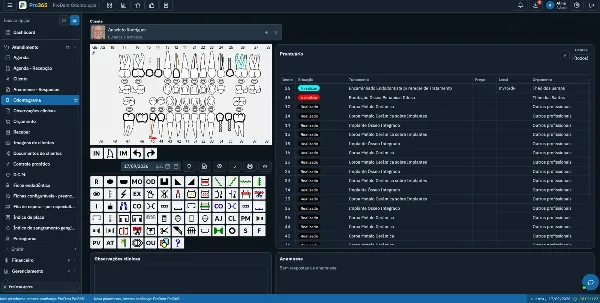
Pro365 GO, the new ProDent that runs 100% on the web, helps you keep finances, scheduling and KPIs under control from your first day. Book a demo to see how it can support your new clinic.