
Dental appointment scheduling works best when the clinic sets a standard time for each procedure, organizes the day in blocks, keeps a waitlist for cancellations and reviews the schedule every day. Those four habits cut delays, fill empty slots and make the day predictable.
Even clinics with an excellent team and good facilities run into trouble when the schedule isn't well organized. Appointments running late, empty slots in the middle of the day, patients who don't show up and difficulty fitting in emergencies are all signs that the schedule needs work.
A poorly structured schedule also hits revenue directly: every lost slot is care that doesn't happen. When the schedule is organized deliberately, the clinic gains predictability, improves the patient experience and makes the team more productive.
Why the schedule matters so much in practice management
The schedule isn't just a list of booked times. It's a management tool that directly affects:
- team productivity
- the flow of appointments
- monthly revenue
- the patient experience
Benefits of a well-organized schedule include:
- better use of clinical time
- less idle time
- fewer delays and no-shows
- better staff planning
The schedule also helps the office manager see the clinic's real capacity and spot opportunities to grow.
The most common scheduling problems
Before improving the schedule, it helps to know the problems that show up most often.
No standard appointment length
Many clinics book appointments without setting a standard duration for each type of procedure. That can lead to:
- delays that build up during the day
- an overloaded team
- trouble fitting in new appointments
For example, a simple procedure may take up the same slot as a much more complex treatment.
Empty slots
Another common problem is gaps in the schedule. They happen when:
- cancellations aren't filled
- there's no waitlist
- nobody reviews the schedule daily
Frequent no-shows
Patients who miss appointments without notice are one of the biggest headaches for any clinic. They cause:
- lost revenue
- wasted team time
- a disorganized schedule
Four ways to organize your dental schedule
Good organization starts with planning. These practices help improve how the schedule runs.
1. Set a standard time for each procedure
The first step is to create a standard length for each type of appointment. For example:
- initial exam: 30 minutes
- cleaning: 40 minutes
- filling: 60 minutes
- whitening: 90 minutes
Use these as a starting point and adjust them to your providers and patients. Standard times help prevent delays and make the schedule more predictable.
2. Build appointment blocks
Another effective strategy is to organize the schedule in blocks. For example:
Morning
- longer procedures
- planned treatments
Afternoon
- checkups
- quick visits
- follow-ups
This split helps balance the flow of patients through the day.
3. Keep a waitlist
Patients who would like an earlier appointment can go on a waitlist. When someone cancels, the clinic offers them the open slot. That cuts down on empty time.
4. Review the schedule every day
The schedule shouldn't only get attention when an appointment is booked. Ideally, someone on the team reviews these every day:
- cancellations
- reschedules
- open slots
Daily follow-up lets the clinic react quickly to changes.
Reducing no-shows and late arrivals
Reducing no-shows is one of the hardest parts of managing a dental schedule, and a few habits help a lot.
Confirm appointments in advance
Confirming appointments ahead of time reduces no-shows. Ideally, send reminders:
- 48 hours before
- 24 hours before
That helps patients plan and let you know if they need to reschedule.
Communicate clearly
Explain to patients why it matters to let the clinic know when they can't come. Many clinics adopt a simple rescheduling policy to encourage advance notice.
Where technology helps
You can organize a schedule by hand, but technology makes it much easier. Dental clinic management software brings the key schedule information into one place, such as:
- appointment history
- automatic confirmations
- open time slots
- no-show tracking
Many systems also show the clinic's full schedule at a glance, which helps with decisions and day-to-day planning. Modern tools automate appointment reminders and track key metrics such as the no-show rate and schedule occupancy, so the office manager can make better decisions and keep the flow of patients balanced.
Small scheduling habits, big results
Organizing the schedule goes far beyond booking appointments. It shapes team productivity, the patient experience and the clinic's revenue. With a few changes to the routine and the right management tools, the schedule becomes a real driver of growth.
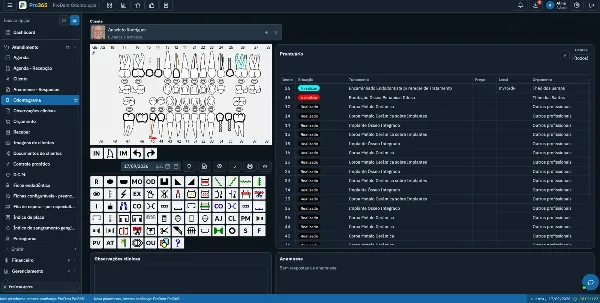
Pro365 GO, the new ProDent that runs 100% on the web, brings the schedule, confirmations and no-show tracking into one screen for the whole team. Book a demo to see how it can organize your appointments.