An electronic signature in a dental clinic lets patients and dentists sign documents digitally, without printing, scanning or being in the same room at the same time. It answers a very common problem: too many manual steps in paperwork that could be simple. Below are the questions clinics ask most, and how to put e-signatures to work in your daily routine.
Prescriptions, work excuse notes, consent forms, treatment agreements and clinical forms are part of every dental clinic's day. When that flow depends on printing, signing by hand, scanning and sending each document separately, the clinic loses time, creates rework and struggles to keep documents organized.
That's why electronic signatures are no longer just a convenience. They're part of a faster, more organized clinic that matches what patients expect today.
1. What is an electronic signature in a dental clinic?
It's the use of digital tools to sign documents without relying on paper, printing or both parties being physically present at the same moment.
In practice, it can be used for documents such as:
- prescriptions
- work and school excuse notes
- informed consent forms
- treatment agreements
- intake and medical history forms
- other authorizations
Instead of a manual process, the clinic keeps the document in one place, sends it for signature and keeps the history organized as part of its digital routine.
2. What problem does it solve day to day?
The biggest problem an electronic signature solves isn't just "signing faster." It removes friction from the clinic's entire document workflow.
When the process is manual, bottlenecks show up:
- documents take a long time to be completed
- staff have to print, sign and scan
- files can get lost
- older documents are hard to find
- everything depends on the patient or dentist being there in person
- the front desk and admin team redo work
With a digital flow, the clinic gains speed, cuts steps and keeps clinical and administrative documents better organized.
3. Are electronic signatures and digital signatures the same thing?
Not exactly. Many people use the terms interchangeably, but they aren't identical.
An electronic signature is the broader concept. Depending on the tool, it can involve different ways of authenticating the signer and validating the signing process.
A digital signature is a specific category within that, usually tied to a digital certificate and an extra level of cryptographic security.
For a clinic, memorizing the theory matters less than knowing which flow makes sense for each document, each routine and the level of control you want to keep.
4. Which documents bring the biggest efficiency gains?
The gains are most visible in recurring documents that tend to pile up.
The main examples are:
- prescriptions written during the appointment
- excuse notes issued the same day
- intake forms completed before the visit
- consent forms signed before procedures
- treatment agreements
- recurring payment authorizations
- photo and image release forms
When these documents move into a digital flow, the clinic spends less time at the front desk, speeds up care and improves the traceability of its information.
5. How do electronic signatures help the front desk and the team?
The benefit isn't limited to the dentist.
At the front desk, e-signatures cut lines, paperwork and manual checks. The admin team gets more predictability and less rework. The clinical team gets faster access to documents, without hunting through physical files or scattered folders.
The results usually show up in three areas:
- faster patient service
- fewer interruptions in the workflow
- better organized patient records
In other words, the clinic stops treating documents as an obstacle and starts treating them as part of how it's managed.
6. Does it improve the patient experience?
Yes, and that has commercial weight.
Patients notice when a clinic has a modern, simple and well-organized process. Filling out forms on their phone, getting clearer instructions and skipping unnecessary in-person steps improves the experience before, during and after the appointment.
A smoother flow also signals professionalism. In dentistry, how organized a clinic looks influences trust, treatment acceptance and the patient relationship.
7. How do you add e-signatures without making things more complicated?
The answer is integration.
When the electronic signature works on its own, the clinic digitizes one step but keeps rework everywhere else. The real gain comes when signing connects with patient records, clinical documents, patient registration and the care workflow.
That's why many clinics move further when they adopt dental software that already brings these areas together. The document is created inside the process, moves with more control and stays linked to the patient's history.
8. Which signs show your clinic needs this now?
Some signs are very clear:
- the team still prints documents often
- patients have to come back just to sign something simple
- consent forms or authorizations are hard to find
- the front desk loses time to paperwork
- patient records are scattered
- documents are spread across folders, email and printouts
If these are part of your routine, electronic signatures stop being an "extra" and become a practical operational improvement.
9. How do electronic signatures connect to practice management?
They connect with three important pillars:
Productivity: less time on manual tasks and a smoother patient flow.
Organization: documents in one place, easier to track and look up.
Patient experience: simpler, faster processes that fit a modern clinic.
So talking about electronic signatures isn't just talking about documents. It's about operational efficiency, standardized processes and more mature management.
10. Is it worth getting this feature inside your dental software?
For clinics that want to scale organization without adding new layers of work, yes.
When e-signatures are part of complete dental software, the clinic relies less on standalone tools and works with more continuity between appointments, records, documents and management.
That kind of integration helps the clinic grow with less improvising and more control, especially when several providers, a high patient volume and a need for standardization are involved.
Less paperwork, more control over every document
Electronic signatures are a practical answer to a common problem: too many manual steps in processes that could already be simpler.
More than digitizing paper, they help the clinic save time, organize documents better and offer patients a more professional experience. When they're built into your dental software, that gain stops being a one-off and becomes part of a more efficient, sustainable routine.
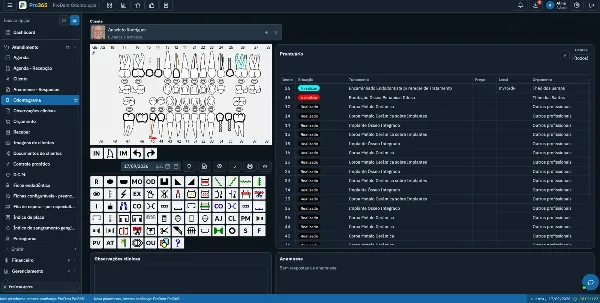
With Pro365 GO, the new ProDent that runs 100% on the web, documents are created in the patient record and signed through a link on the phone, without printing. Book a demo to see how it fits your clinic.