
To prioritize dental patient collections, stop working from memory and start working from a queue. Rank each overdue balance by days past due, updated amount, contact history and next action, and log every contact so the next person picks up where the last one left off.
When collections depend on the front desk's memory, old messages on someone's phone or a separate spreadsheet, every case looks urgent. The team wastes time looking for information, contacts get repeated without continuity and overdue balances get older without a clear decision.
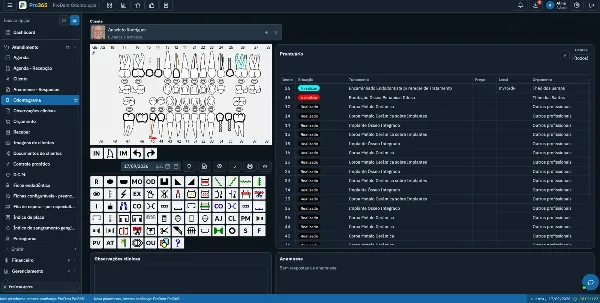
ProDent's overdue accounts module helps turn that into an organized work queue. It brings together days overdue, the original amount, the updated amount with interest and late fees, the date and channel of the last contact and the patient's details. From there, the clinic can set priorities, record what was done and track collections more consistently.
The point isn't to contact patients more often. It's to make sure every contact starts from reliable information and ends with a next step on record.
Effective collections start with priority, not improvisation
In a manual routine, the order is usually set by the case someone remembers, the balance that seems biggest or the patient who just replied. That leaves older balances without follow-up and makes it hard to know whether the team is making progress. (For the bigger picture on preventing overdue payments, start with how treatment costs are agreed on.)
A more useful collection queue combines four signals:
- Days overdue: how long the payment has been past due
- Updated balance: the financial exposure right now
- Contact history: avoids repeated messages and keeps the context
- Next action: what needs to happen and who owns it
These signals don't replace the clinic's financial policy. They help apply it clearly. Rules on interest, late fees, negotiation, payment plans and how to handle sensitive cases should be set by management, with accounting and legal advice when needed.
Turn the overdue list into a priority board
The clinic can adapt the overdue age brackets to its payment model and type of treatment. The goal isn't a universal rule. It's to keep every case from getting the same treatment.
Priority 1: recently overdue
Recent balances may come from forgetfulness, trouble finding the bill or a change in the patient's routine. Here, communication should be simple, objective and focused on getting the account current.
Before sending a message, check the amount, the due date, the available channel and whether there was a previous contact. Afterward, record the channel used and the outcome.
Priority 2: overdue with no reply
When there's already been an attempt, repeating the same message on the same channel can mean effort without progress. The history helps the team decide whether to change the time of day, use another permitted channel or pass the case to a designated person.
The key in this group is continuity. Whoever opens the case needs to understand what has already happened, without depending on the memory of whoever made the first contact.
Priority 3: long overdue or high balance
Older cases, or those with a bigger financial impact, call for careful review. The team should check where the balance came from, any partial payments, the recorded terms and previous contacts before reaching out again.
If negotiation is possible, the team's authority needs to be defined. The system organizes the information, but limits on discounts, payment plans and due date changes belong to the clinic's policy.
Priority 4: disputed balance
A balance may reflect a data entry error, a payment that hasn't been posted yet, terms agreed on but never recorded, or a question from the patient. These cases shouldn't stay in the queue as if they were simply late.
The right move is to pause collection, check the records and resolve the discrepancy. Collecting based on incomplete information creates rework and can strain the relationship.
What ProDent brings together so the team can act with context
ProDent's overdue accounts module centralizes the information the team needs to decide and act without relying on scattered notes:
- Number of days overdue
- Original amount and updated amount with interest and late fees
- Date and channel of the last contact
- Patient details to make follow-up easier
- Payment reminders by WhatsApp, email or text message
- Contact history to keep follow-up continuous
- Management reports to understand overdue accounts
That solves a common problem: the split between billing and communication. When a reminder goes out from a personal phone with no record, the clinic may send the message, but it loses the ability to manage the process as a team.
With the history in the system, the front desk, billing and management all work from the same context. That makes handoffs smoother and helps avoid duplicate reminders.
A good payment reminder has four elements
Even with organized data, the approach needs to be professional. A useful message usually combines four elements:
- A clear identification of the clinic
- An objective reference to the balance and due date
- Instructions on how to pay or ask for clarification
- A channel for questions
The tone should be respectful, direct and suited to how overdue the account is. Avoid vague messages, unnecessary personal information and promises of negotiation the sender can't keep.
It's also important to review consent, communication rules and personal data protection. The feature makes contact easier, but the clinic remains responsible for its collection policy and the proper use of patient information.
Logging the contact matters as much as sending it
An unlogged reminder ends when the message is sent. A logged reminder creates continuity.
After each attempt, the team should be able to answer:
- Which channel was used?
- Did the patient reply?
- Did the patient raise a dispute?
- Was a new due date agreed on?
- Is there a date for the next follow-up?
- Does the case need a manager's approval?
These answers keep the next contact from starting over. They also help spot bottlenecks, such as outdated contact details, promises with no follow-up or too many cases resting on one person.
How to tell if your collection routine is improving
Collections shouldn't be judged only by the total collected. Management also needs to look at how well the routine is carried out.
Contact coverage
Shows how many priority balances received an action during the period. If the queue grows and few cases are worked, there may be a lack of capacity, confusing criteria or unclear ownership.
Time to first contact
Shows whether the clinic acts early or lets balances age. This measure should follow the patient communication policy the clinic has defined.
Agreements followed up
An agreement with no follow-up date can turn into a new forgotten balance. Tracking commitments narrows the gap between the conversation and the payment.
Disputed balances
If many cases need correcting, the problem may be upstream of collections: in billing setup, payment posting, how terms were explained or how payments were recorded.
Movement across overdue age brackets
Watching whether amounts shift into older brackets helps reveal a loss of continuity. The goal is to keep recent balances from aging without action.
From individual effort to a team routine
ProDent provides the view and the channels to make collections more organized, but the results depend on a few simple operating agreements:
- Decide who reviews the queue and how often
- Set priority criteria by days overdue, balance and history
- Define who can negotiate and which limits apply
- Log every contact and every commitment made
- Send disputes for review before continuing collection
- Review reports and adjust the process when the queue starts to age
With these agreements, overdue accounts stop being a collection of disconnected cases and become a visible process. The team works more efficiently because it knows where to start, patients get more consistent communication and management can see what's being done.
A clear queue and a full history keep collections moving
A financially organized clinic doesn't wait for cash to get tight before looking for who's behind. It keeps an up-to-date queue, uses priority criteria, logs contacts and resolves disputes before sending more reminders.
Pro365 GO, the new ProDent that runs 100% on the web, puts days overdue, balances, patient details, contact history, reminder channels and reports in one place. Book a demo to see how your team can work the collection queue.