
To turn dental inquiries into appointments, every contact needs a record, a clear stage, an owner and a scheduled follow-up. Getting people to reach out is only the first step; the real work is making sure each interested person ends up with a booked visit.
Many clinics receive messages through phone calls, texts, social media and their website, then lose opportunities because no one follows up in a structured way.
Treatment plans sent and never answered, people who showed interest and never came back and leads that were simply forgotten are all very common. When the clinic has no organized process for these contacts, part of its marketing effort goes to waste.
Why clinics lose so many inquiries
Bringing in new contacts takes investment in marketing, an online presence and communication.
Yet many clinics share the same problem: leads arrive, but no one follows up properly.
Typical situations include:
- a treatment plan sent with no follow-up afterward
- an interested contact who never books a visit
- messages that never get a reply
- a team member who forgets to call a patient back
Without a structured process, the clinic loses appointments every day.
What counts as a lead in a dental clinic
A lead is anyone who has shown some interest in the clinic.
Leads can come from many channels, such as:
- social media
- the clinic website
- patient referrals
- online ads
- text and chat messages
These contacts aren't patients yet, but each one could become an appointment.
That's why following up on every lead is essential to booking more visits.
How to organize follow-up on interested contacts
A clinic that wants to convert more inquiries needs a simple, structured follow-up process. A few clinics make a big difference.
Record every contact
Start by recording every lead that reaches the clinic.
That record can include:
- name
- phone number
- where the contact came from
- the treatment or service they want
This keeps important inquiries from slipping through the cracks.
Set follow-up stages
An effective approach is to split follow-up into stages.
For example:
- first contact
- information sent
- treatment plan sent
- appointment booked
- visit completed
With stages in place, you can see exactly where each lead is in the process.
Assign an owner
The team also needs to know exactly who is responsible for each contact.
When no one owns the follow-up, leads end up forgotten.
Schedule follow-up tasks
Not every lead replies right away. That's why it helps to plan follow-ups, such as:
- a call or message after a treatment plan is sent
- an appointment reminder
- a check-in after the first visit
These follow-ups raise the chances of conversion.
A 5-step process to book more appointments
Here is a simple process any clinic can apply.
1. Record every interested contact
Never leave a lead without a record.
2. Identify what the person wants
Find out which treatment or service they're looking for.
3. Send clear information
Explain the procedure, costs or how care works.
4. Schedule a follow-up
If the person doesn't reply, follow up in a few days.
5. Confirm the booking
When the person decides to go ahead, make sure the appointment actually gets on the schedule.
How clinic management software helps
You can organize this follow-up by hand, but dental clinic management software makes it much easier.
Some systems include CRM tools that track each lead from first contact until they become a patient.
Inside the system, you can:
- record interested contacts
- organize leads by stage
- track treatment plans that were sent
- create follow-up tasks for the team
- see the clinic's conversion funnel
That way, the office manager and the team know exactly which contacts need attention.
A dental CRM also helps prevent lost opportunities and improves how the clinic organizes itself internally. With a structured process, each lead is followed until it becomes a real appointment.
Getting inquiries is good; booking them is what counts
Attracting new contacts matters, but following up is what turns them into appointments. Without organization, many interested people get lost in the daily rush.
The same process also helps you bring back patients who haven't returned and fill open slots in the schedule.
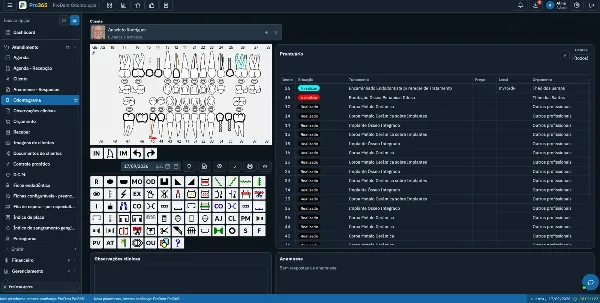
With Pro365 GO, the new ProDent that runs 100% on the web, every inquiry, treatment plan and appointment lives in one place. Book a demo to see how your front desk can turn more contacts into booked visits.