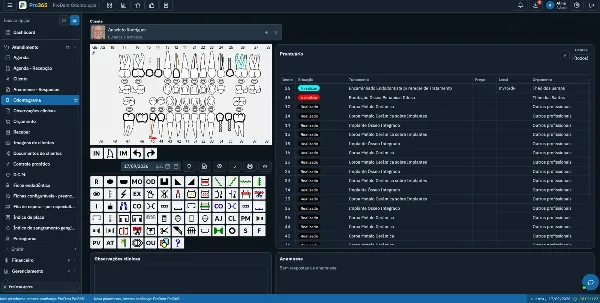

The dental clinic revenue cycle doesn't start when the patient pays. It starts when treatment is planned and moves through the estimate, the care itself, the payment and the clinic's expenses. When each stage is recorded consistently, your numbers reflect reality and revenue becomes predictable.
Financial management isn't just about controlling money in and money out. In practice, it decides whether a dental clinic grows with confidence or spends every month putting out fires.
Many clinics bring in good revenue but don't know exactly how much profit they make, where they lose money or which decisions really drive growth. That's where the problem lies. Without financial clarity, any growth is unstable.
Why finances still come last
There's a very common pattern in day-to-day clinic life. The focus is on patient care. Then on the schedule. And only then, when there's time left, on finances.
The result is fragmented control, based on:
- side notes
- incomplete spreadsheets
- inconsistent information
Important decisions end up being made on gut feeling. And that gets expensive.
The five stages of the dental revenue cycle
Before organizing anything, it helps to understand how money actually flows through the clinic. It doesn't begin at payment. It begins much earlier.
1. Recording the treatment
Everything starts when the procedures are planned. If this step isn't well structured, everything that follows loses consistency.
2. Creating the estimate
This is where you define:
- the treatment fee
- the payment method
- the payment terms
3. Delivering care
The treatment happens, but that still doesn't mean revenue.
4. Collecting payment
Only here does the money actually come in. And this is the point where many clinics lose track.
5. Controlling expenses
Looking only at what comes in isn't enough. You also need to account for:
- salaries
- supplies
- rent
- taxes
When this cycle isn't organized, the numbers stop reflecting reality, and that undermines any growth strategy.
Mistakes that break the cycle
If you feel the clinic works hard but doesn't grow as it should, one of these is probably happening.
Incomplete records
Not everything that happens gets recorded. And what isn't recorded can't be analyzed.
No tracking of no-shows
Missed appointments are one of the biggest financial drains in a clinic, because every empty chair is revenue the schedule promised and never delivered. A structured process with automated reminders and confirmations makes a real difference: among ProDent client clinics, no-shows fell from about 15% to 2.7% after they adopted automatic confirmation (HartSystem client data), which means much better use of the schedule.
Mixing personal and clinic finances
This mistake is more common than it seems, and it completely distorts the results.
No control over unpaid balances
Money that's never collected hits cash flow directly. Without follow-up, the loss grows quietly.
Decisions without data
Without clear KPIs, every decision is a guess. And guessing costs money.
How to organize each stage of the cycle
Organizing your finances doesn't have to be complicated, but it does have to be consistent.
First: standardize the flow of information
Set a clear rule:
- every procedure performed is recorded
- every estimate is formalized
- every payment is entered
No exceptions.
Next: create financial routines
Management can't only happen when there's a problem. Set up:
- a daily cash check
- a weekly review of income and expenses
- a monthly close with a full review
Then: track key indicators
Some numbers need constant attention:
- monthly revenue
- real profit
- average revenue per patient
- unpaid balances
- treatment plan acceptance rate
These numbers show what's working and what needs adjusting.
Finally: build predictability
A healthy clinic doesn't depend on "how busy the month was." It can forecast:
- how much it will bring in
- how much it will spend
- what the profit will be
That gives you the confidence to invest and grow.
What the data tells you
This is where things change. When you analyze your data regularly, some answers show up quickly:
- which procedures are most profitable
- which providers generate the most results
- where the financial bottlenecks are
- which periods see revenue drop
With this information, management stops being reactive and becomes strategic.
Where technology fits in the revenue cycle
Doing all of this by hand is possible, but hard to sustain. That's where dental clinic management software comes in. It helps with:
- centralizing information
- automating financial records
- creating campaigns for opportunities you might otherwise miss
- artificial intelligence you can ask about your own data
For example, when the clinic follows the recording flow correctly, from treatment planning to payment, the system can produce complete financial reports with a real view of income, expenses and profitability. Unpaid balances, cash flow and financial performance also become much clearer and easier to access.
One point is worth repeating: software doesn't replace management. It amplifies good management.
A closed cycle is what makes growth predictable
Financial management isn't just control. It's strategy. Clinics that grow consistently:
- record everything correctly
- analyze their data often
- make decisions based on numbers
- keep predictable financial results
Without that, any growth is unstable. With it, growth becomes sustainable.
With Pro365 GO, the new ProDent that runs 100% on the web, the whole cycle, from treatment plan to estimate, payment and expenses, lives in one system, and Pro365 AI answers questions about your own numbers. Book a demo to stop working without knowing exactly how much you profit.