
A full schedule but no profit is one of the most common traps in dentistry. A busy clinic can treat patients well every day and still stall, because high revenue isn't the same as profit. What separates clinics that grow from those that stagnate is financial control: knowing where the money comes from, where it goes and how much is really left.
Many managers believe high revenue means profit, when in fact they're only moving money around without real control. That confusion is extremely common and risky, because it creates a false sense of security while the clinic quietly loses money.
Without financial control, decisions are made on gut feeling, with no solid basis. That puts investments, hiring and even the survival of the business at risk.
Why busy clinics still don't grow
Let's break a myth first: a full schedule doesn't mean a healthy clinic. Many clinics see lots of patients and have constant activity, but can't move forward financially. That happens because nobody knows how much is really left at the end of the month.
Without well-structured financial control, the manager can't tell which treatments are most profitable, which are losing money and where the waste is. On top of that, expenses are often ignored or underestimated, which creates a distorted view of reality.
The result is a dangerous cycle: the clinic works more and more, but grows less and less.
Follow the money from treatment plan to payment
Financial control isn't just recording inflows and outflows. It's building a complete view of the business, following the money from the moment a treatment is planned until it's actually paid.
The financial side only works when every step is followed: recording procedures, creating treatment plans, setting fees and recording payments as they happen. When any step is skipped, reports stop representing reality, and any decision based on that data becomes risky.
Controlling what comes in isn't enough, either. You need to record every expense, from fixed costs like rent and salaries to variable costs like supplies and services. That level of detail is what reveals the clinic's real profit.
Mistakes that eat away at profit
One of the most common mistakes is mixing personal and clinic finances, which makes it almost impossible to analyze results. Another frequent problem is a lack of discipline in recording information: part of the data lives in the system and part lives outside it, which creates inconsistencies.
It's also very common for clinics to ignore unpaid balances, treating money that hasn't been collected as if it were guaranteed revenue. That completely distorts the financial picture and can lead to the wrong decisions.
These mistakes seem small day to day, but their impact adds up over time.
How to set up your finances so busy days turn into profit
For financial control to really work, you need a clear and consistent process. It starts with recording every appointment correctly and continues with well-defined treatment plans with clear, organized fees.
Next, each payment should be recorded as it happens, so the system reflects the clinic's reality. At the same time, every expense must be entered without exception, giving you a complete view of the financial flow.
With that foundation in place, the manager gets reliable reports, a real cash flow and metrics that show exactly what's happening in the clinic.
Real data changes your decisions
The big payoff of financial control is better decision-making. When the manager has real data, they can spot opportunities, fix problems quickly and plan growth with much more confidence.
In a dental clinic, that means knowing where to invest, when to expand and how to increase profitability without necessarily increasing the number of appointments.
Stop measuring success by how busy you are
Financial control isn't just an organizing tool. It's the main factor that decides whether a clinic grows. Without it, management becomes reactive and limited. With it, the clinic operates strategically and sustainably, and a full schedule finally turns into profit.
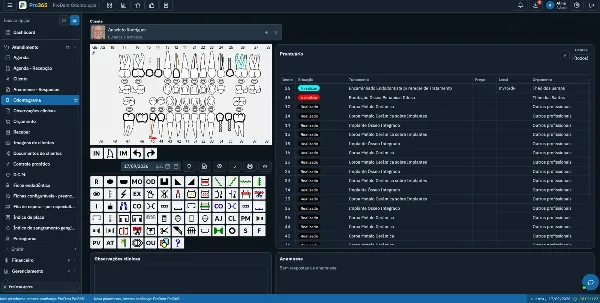
With Pro365 GO, the new ProDent that runs 100% on the web, your schedule, treatment plans, payments and expenses live in the same place, so you can see what a busy day is really worth. Book a demo to see it for yourself.