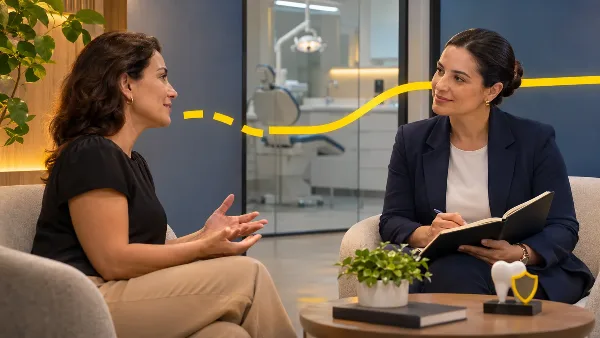
Dental patient behavior has changed: patients now research, compare and observe a clinic before they reach out, and they expect a fast, organized reply when they do. Attracting them takes more than good dentistry. It takes a process that answers quickly, follows up and never lets an inquiry slip through.
Attracting patients was never just a marketing question. It has always combined perception, experience and organization. What changed in recent years is that the process is no longer simple, predictable or based only on referrals. It's now shaped by digital habits, response speed and, above all, the clinic's ability to organize itself so it doesn't lose opportunities.
Being a good clinician isn't enough. Neither is a nice office, or waiting for patients to arrive through word of mouth. Clinics that don't keep up start to feel a quiet but dangerous effect: gaps in the schedule, more no-shows, treatment plans that aren't accepted and trouble growing consistently.
That's where dental software comes in, not as "operational software," but as a strategic tool to attract, organize and convert more patients.
Dental patients don't decide the way they used to
Today's patients research, compare and observe before they get in touch. Often, by the time they message the clinic, the decision is almost made, and what determines whether they book is the experience in that moment.
That completely changes how you attract patients.
Before, a clinic just needed to be visible. Now it needs to be visible, reply fast, convey trust and have an organized process that takes each contact all the way to an appointment.
This is where the first problem appears: many clinics manage to generate interest but can't organize how they respond to it.
Without dental software structuring the process, what happens in practice is:
- contacts who never get a reply
- messages that get lost
- treatment plans that nobody follows up on
- interested patients who simply disappear
Worse, this happens every day, without the clinic realizing how much it's losing.
What happens in a clinic without dental software
First, the lack of organization directly affects the patient experience. Care depends on memory, loose notes or informal processes. That leads to delays, miscommunication and a sense of disorganization that erodes trust.
Next, the team starts working reactively instead of strategically. Instead of following up on leads, reactivating patients or organizing recalls, the focus is only on getting through the day. The result is a dangerous cycle: the clinic is always putting out fires but never building growth.
The schedule also becomes vulnerable. Without appointment confirmations and automatic reminders, and without clear control of appointments, no-shows, reschedules and empty slots go up. That hits revenue directly.
Finances are another weak spot. Without proper organization, the numbers don't reflect reality. Income, expenses and forecasts get distorted, making any strategic decision harder.
In other words, this isn't just about internal organization. It's about survival and growth.
How dental software changes the picture
Now look at the other side.
When a clinic uses dental software in a structured way, it gains control over the whole process, from first contact to follow-up after the visit.
First, responses become faster and more consistent. The team knows exactly what to do when a new inquiry arrives, which shortens response time and raises the chance of booking.
Next comes the schedule. With automatic reminders sent when the appointment is booked and confirmations close to the date, the clinic can cut no-shows significantly. Using both together improves communication with patients and avoids last-minute surprises, resulting in fewer absences and a more predictable routine.
The software also lets you follow every opportunity. The patient who asked for a treatment estimate isn't forgotten. The one who missed an appointment gets a call. The one who showed interest is followed up. That transforms the number of patients who actually book.
Another direct benefit is team productivity. With organized processes, each person knows their role, avoids rework and gains time for what really matters: patient care and relationships.
The schedule is the center of the operation
The schedule stops being just a place to book times and becomes a strategic tool.
With dental software, you can:
- organize appointments by provider and specialty
- see the day's flow in real time
- update patient status (arrived, in treatment, finished, no-show)
- connect automatic communication with reminders and confirmations
That gives the whole team clarity and reduces operational errors. The schedule goes from passive to active in managing the clinic.
Financial organization and better decisions
Financial control is another key point.
When the software is kept up to date, it gives you:
- a real view of income and expenses
- control of overdue patient balances
- revenue forecasts
- a clear view of the most profitable procedures
That lets the clinic stop deciding on gut feeling and start working with concrete data. Management becomes professional.
Standard processes for sustainable growth
There's no point attracting patients without the organization to grow. The bigger the clinic gets, the more complex it becomes, and without standard processes, errors multiply.
Dental software lets you set clear processes for:
- handling a new inquiry
- recording a treatment estimate
- following up with a patient
- organizing the finances
- managing the schedule
Standardization ensures consistency, improves the patient experience and makes growth easier.
Dental software as a way to attract patients
Here's something many people miss: dental software isn't only for organizing. It directly helps you attract patients.
That's because it:
- improves the experience patients have when they contact you
- raises the share of inquiries that turn into appointments
- reduces lost opportunities
- improves the clinic's reputation
- generates more referrals
It works on both the operational foundation and on growth.
Growing today takes more than good care
Good care used to be enough to grow. Today it's the minimum.
What separates clinics that grow from those that stall is organization, speed and the use of technology. That's essential to attract patients who now research, compare and expect quick answers.
Dental software connects patient care, management and strategy in one place. The sooner that change happens, the sooner results show up.
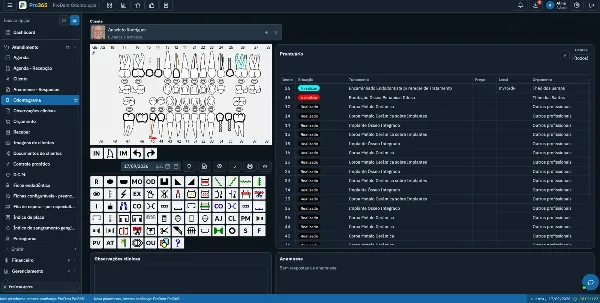
With Pro365 GO, the new ProDent that runs 100% on the web, every inquiry, appointment and treatment plan stays organized, so no interested patient slips away. Book a demo to see how it can change your clinic's daily routine.