
Yes, a dental clinic can see more patients without overloading the team, but not by squeezing more appointments into the day. The answer is efficiency, not volume: standardized procedure times, a well-structured schedule, fewer idle gaps and clear roles let the clinic grow without adding staff or space.
Many clinic owners believe that producing more means seeing more patients. In reality, that can backfire: delays, a stressed team and unhappy patients.
Productivity in a dental clinic isn't about volume. It's about efficiency. Clinics that understand this can grow without adding structure, just by adjusting their processes.
What really holds back productivity
Before you improve, you need to find the bottlenecks. The most common ones are:
- A disorganized schedule
- No standard for how appointments are run
- A team without clear roles
- Idle time between appointments
- Administrative rework
A practical example
A clinic that books procedures without considering how long they really take ends up creating cascading delays.
The result:
- Patients waiting
- A dentist under pressure
- An overloaded front desk
And at the end of the day, it feels like a lot of work with little to show for it.
What productivity means in practice
Productivity isn't doing more in less time in a disorganized way. It's:
- Having clear processes
- Cutting wasted time
- Increasing predictability
- Improving the patient experience
A productive clinic doesn't rush. It flows.
7 strategies to see more patients without burning out the team
Here's a practical guide you can start using right away.
1. Standardize procedure times
Without a standard, there's no control. Set an average time for each type of appointment, for example:
- Exam: 30 minutes
- Cleaning: 40 minutes
- Filling: 60 minutes
This prevents delays and makes planning easier.
2. Organize the schedule in blocks
Instead of mixing everything, group similar procedures. For example:
- Morning: quick procedures
- Afternoon: longer procedures
This reduces context switching and improves efficiency.
3. Reduce unproductive gaps
Empty slots between appointments are one of the biggest productivity killers. To fix them:
- Keep an active waitlist
- Fill openings with smart add-ons
- Confirm appointments in advance
4. Define clear roles for the team
When everyone does everything, nothing gets done right. Organize it like this:
- Front desk → scheduling and greeting patients
- Dental assistant → setup and clinical support
- Dentist → full focus on the procedure
5. Eliminate repetitive manual tasks
Manual processes take time and lead to errors. Automate whenever possible:
- Appointment confirmations
- Patient registration
- Recording information
6. Track simple metrics
Without numbers, there's no management. Track:
- Patients seen per day
- No-show rate
- Average time per appointment
These numbers show you where to improve.
7. Keep adjusting the process
Productivity isn't fixed. Hold quick weekly meetings with the team to understand:
- What worked
- What got stuck
- What can be improved
How to make changes without team pushback
One of the biggest mistakes managers make is trying to change everything at once. That creates resistance. It works better to:
- Make one change at a time
- Explain the reasons behind each decision
- Involve the team in the process
Start small
Standardizing procedure times on its own is often enough to start cutting the cascading delays that overload the team. Small changes have a big impact.
The role of technology in productivity
Technology is a support, not the main solution. Clinic management software can help by:
- Organizing the schedule intelligently
- Reducing manual tasks
- Centralizing patient information
- Using artificial intelligence to make the data easier to read
Features such as electronic patient records and process automation also reduce the time spent on administrative work. The key is to use technology to reinforce well-defined processes.
Efficiency matters more than speed
Seeing more patients isn't about running faster. It's about working with a strategy. Clinics that grow sustainably understand that:
- Organization drives results
- Processes prevent rework
- Well-managed time increases revenue
If your clinic always feels full but the results don't follow, the problem may be how the time is organized, not how hard the team works.
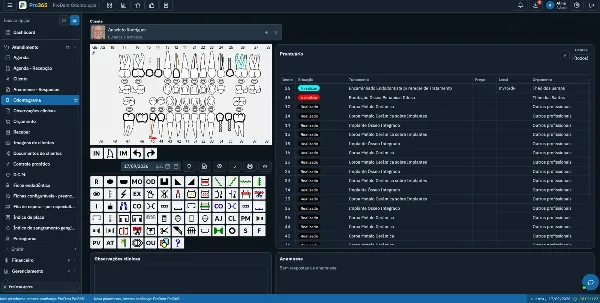
With Pro365 GO, the new ProDent that runs 100% on the web, your schedule, confirmations and patient records work together so the team can see more patients without the overload. Book a demo to talk with one of our specialists.